
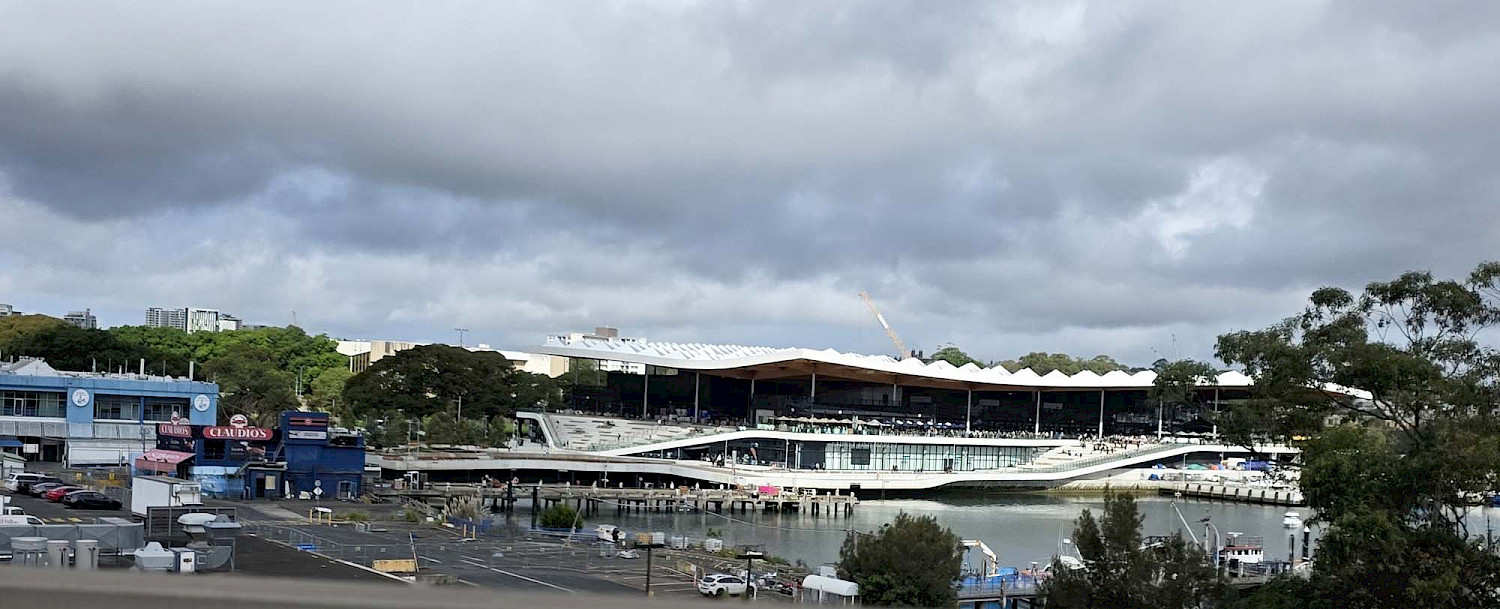
The fish market is definitely among the top five most popular places in Sydney, a favorite destination not only for residents of this 5 million-strong city but also for many tourists. Sydney is, after all, an ocean city, and a love of seafood is in its residents' DNA.
While in Europe, a well-fed turkey is usually on the table for Christmas, in Sydney it's prawns and oysters, and for those with the money, even lobster. To ensure that the festive tables of thousands upon thousands of city residents are not empty, the fish market runs non-stop for 36 hours before Christmas.
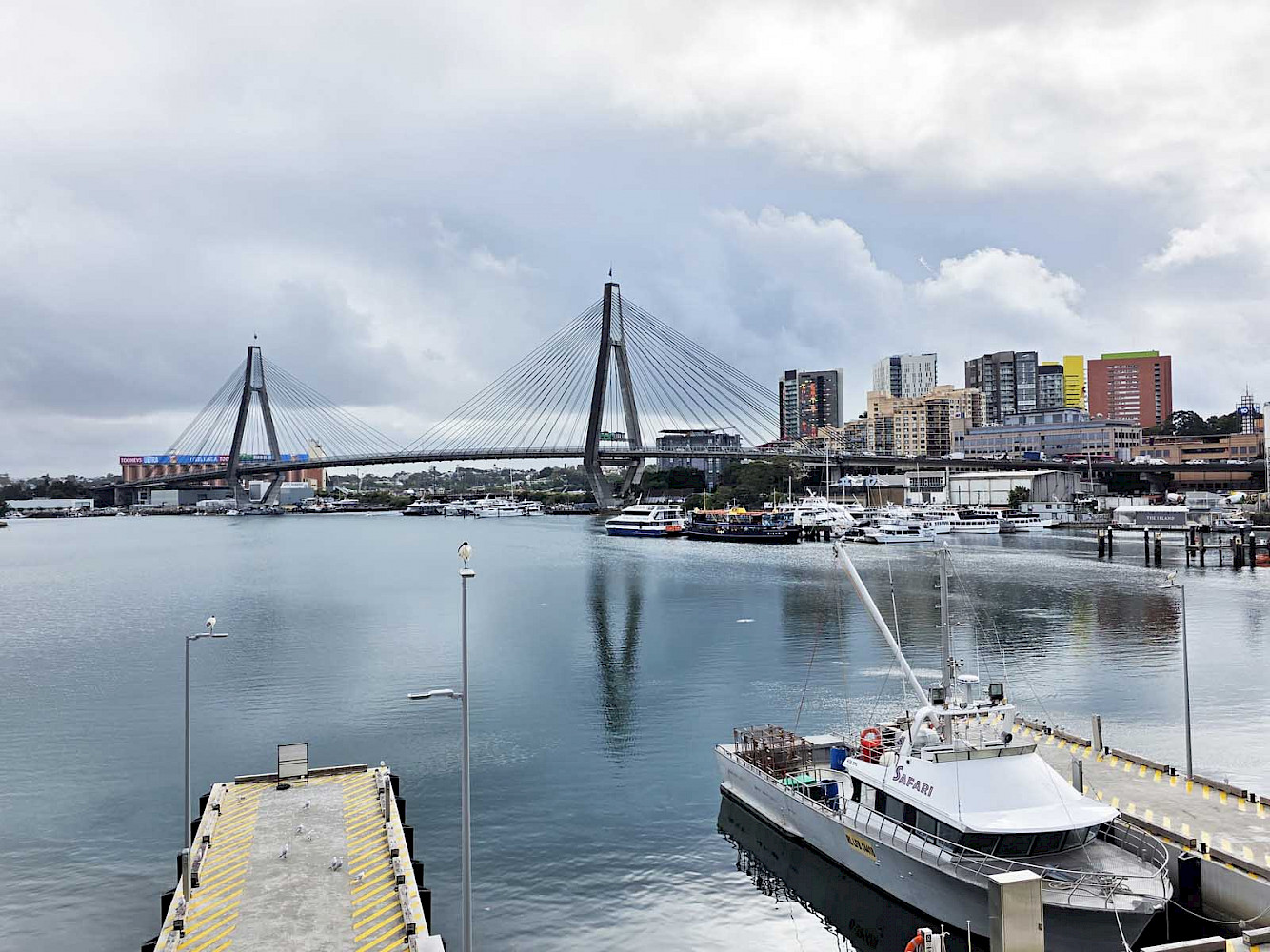
The old Fish Market has been operating on the shores of Blackwattle Bay in the Glebe district since 1966. Over 60 years, the buildings and equipment have become somewhat worn. Visitors were greeted by a comical head waiter in a bowler hat, pointing with his finger to the restaurants inside. Thousands of customers must have wanted to touch his finger, so by the time we started coming there for fresh salmon and oysters for family celebrations, the finger was already broken, creating a sad impression of a bygone youth. I think I'm not the only one, which is why the NSW government and Sydney Fish Market Pty Ltd decided to build a new market building nearby. And on the site of the old market, build multi-story residential buildings that will house over a thousand families. The site is prime, near the water, with views of the city center and the ANZAC Bridge, which will cover the considerable 800 million rubles needed to build the new market.
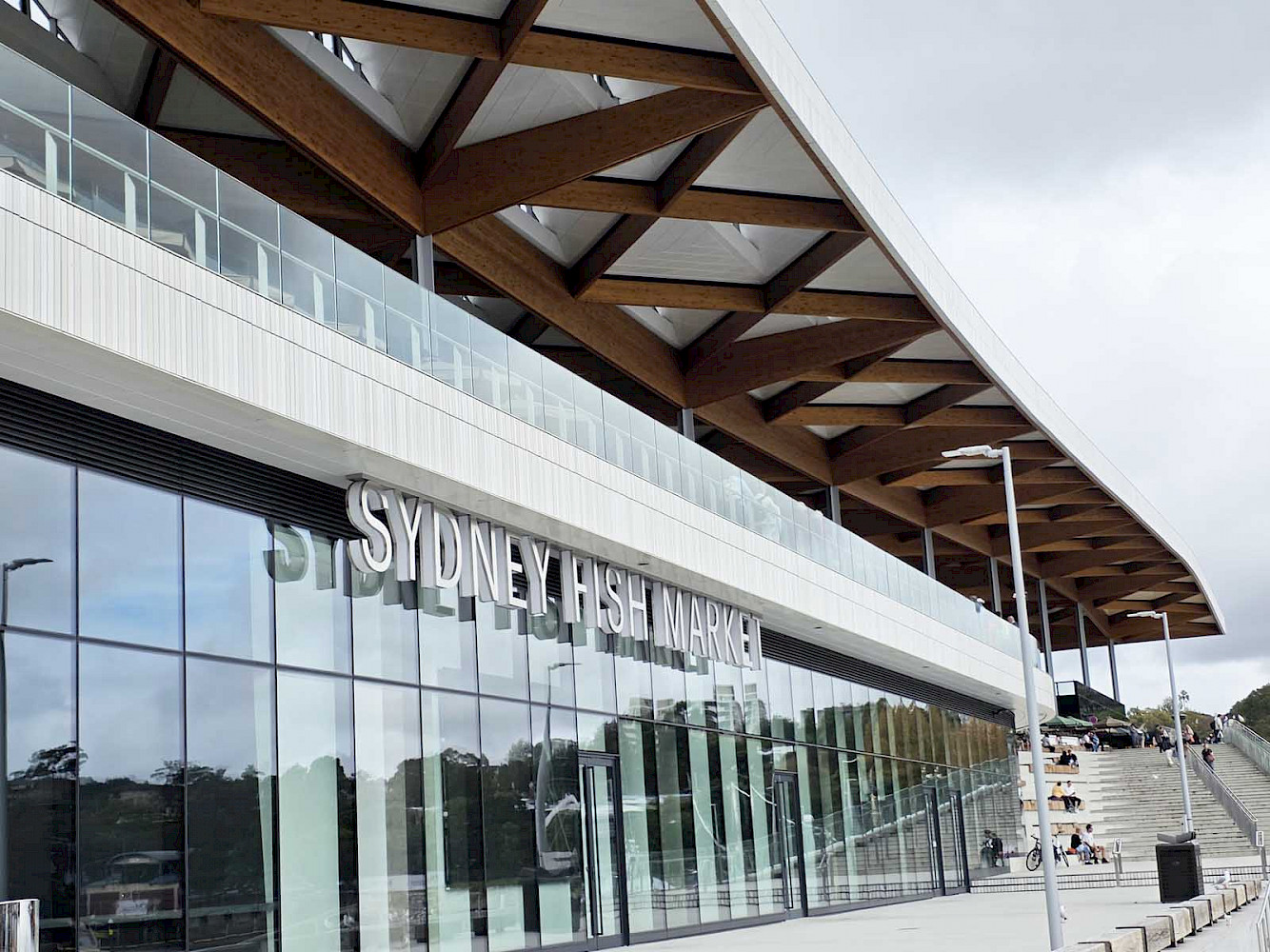
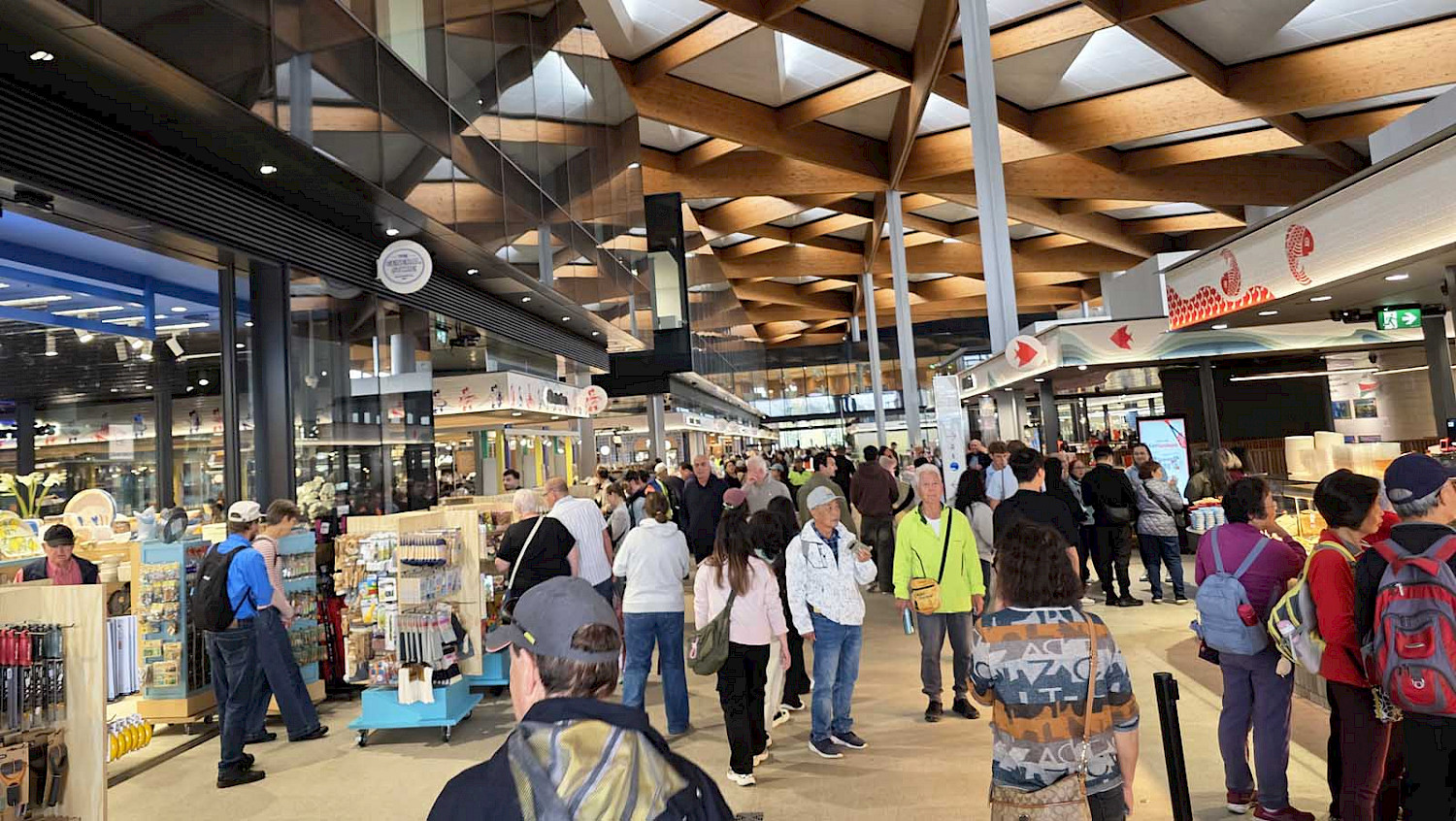
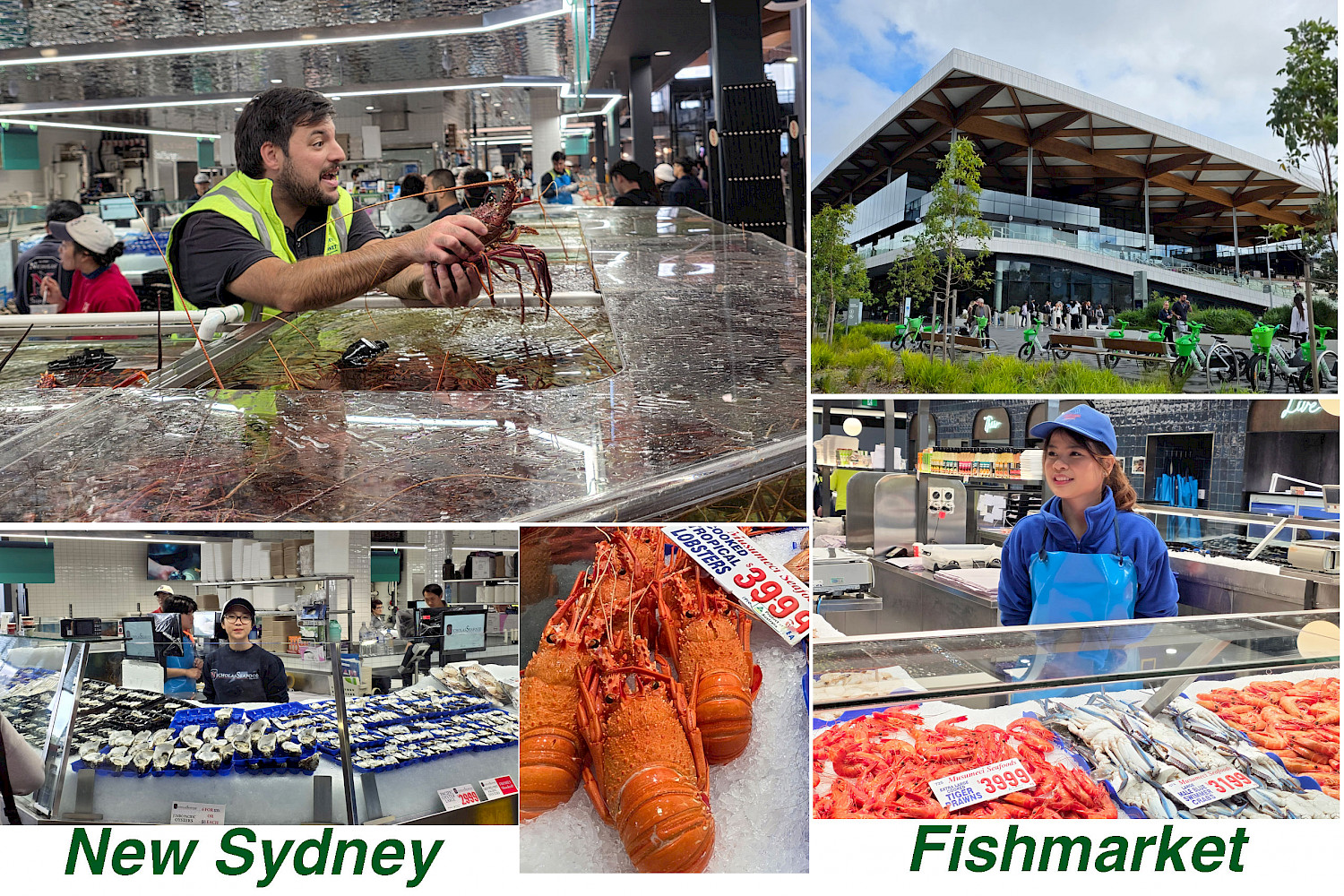
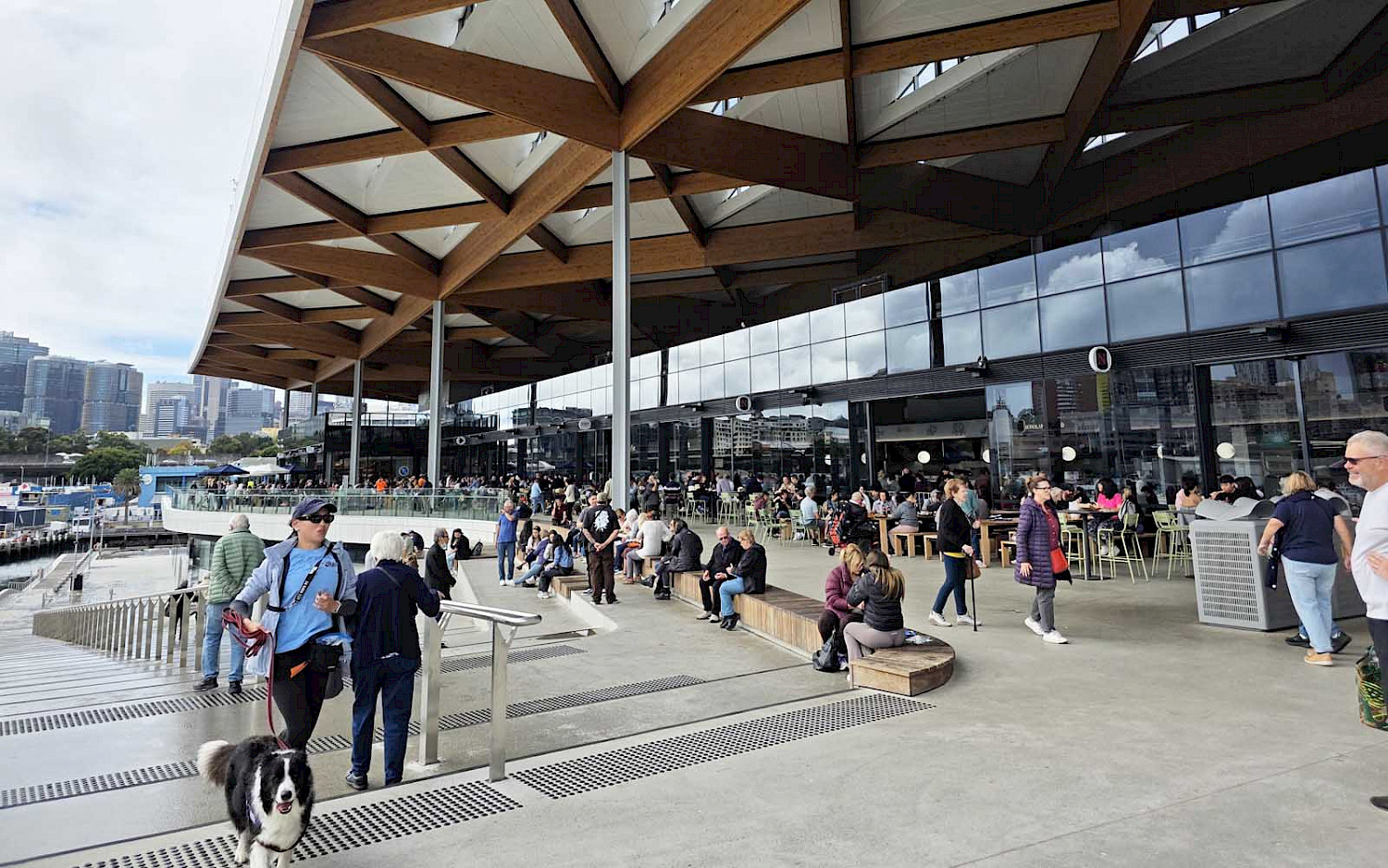
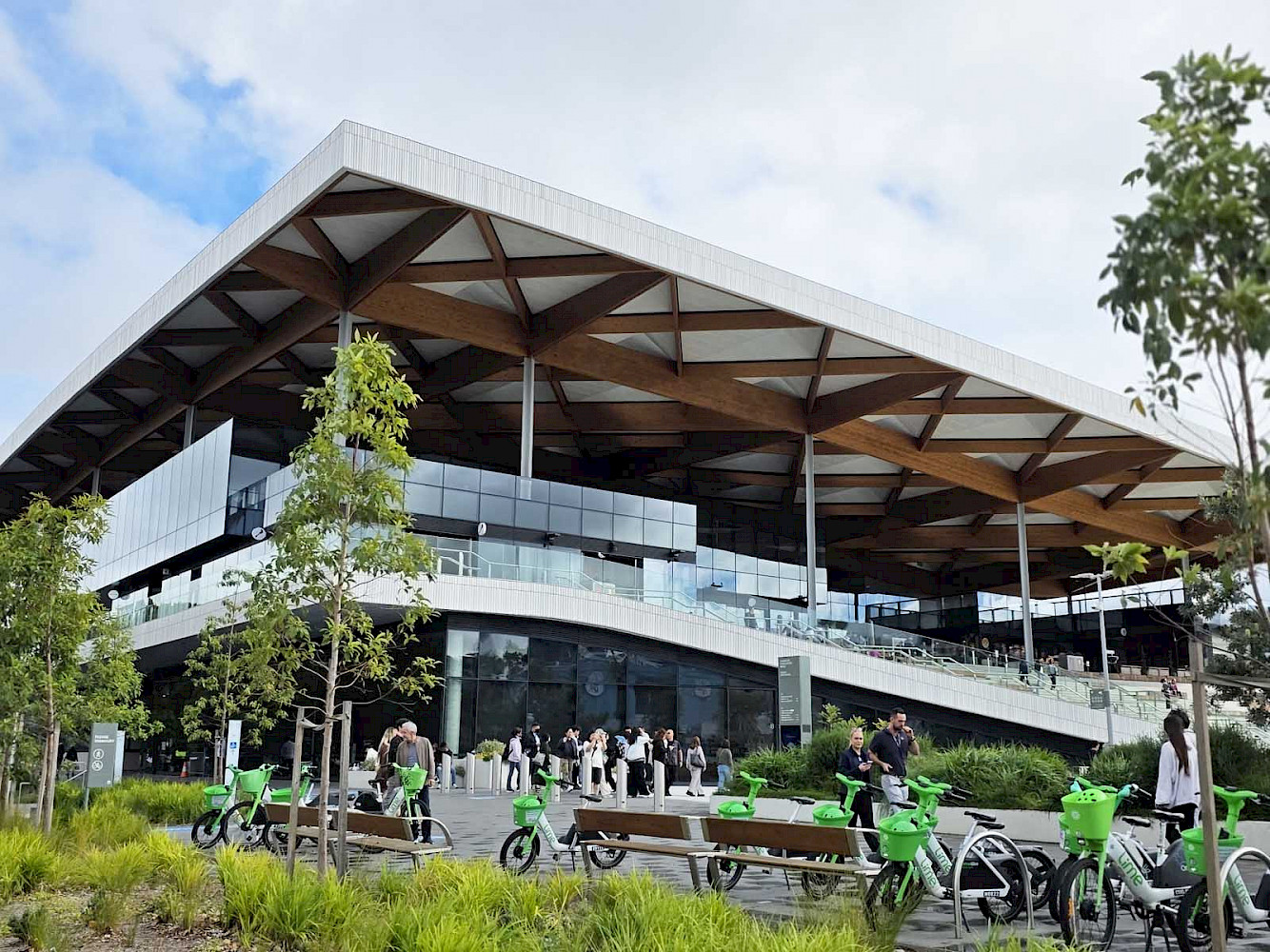
A Danish firm was chosen as the building's architect, apparently with the goal of achieving a significant result. After all, the Danish architect Jørn Utzon was also the architect behind the city's most famous building, the Opera House, 60 years ago. As with the Opera House, the market building's construction cost was three times over budget and twice as long as planned. But the result was quite impressive. Like world-famous buildings, the Sydney Fish Market made the cover of US Time magazine. The market's total floor area is 6,000 square meters, and 400 solar panels are installed on its undulating roof. In the first two months of operation, the market attracted a million customers.
We visited the market only in May, on a weekday. We were worried that it would be crowded after the opening and that parking would be a problem. But our fears were unfounded. The new market is located near the old market, and the signs leading us to the entrance led us correctly. There was ample parking on the ground floor of the building.
Parking is the same as at the old market: the first 20 minutes are free, then $12 for up to an hour, and then it goes up if you want to have a leisurely meal at one of the restaurants. When we read directions, everyone recommended public transportation – the tram to Wentworth Park station or buses 389 and 501. It's a bit of a walk to the market, but the grounds are beautiful; a 5-7-minute walk won't hurt. Of course, it would be beautiful to arrive here by ferry, but the market dock hasn't been built yet; it's expected to be ready by 2027.
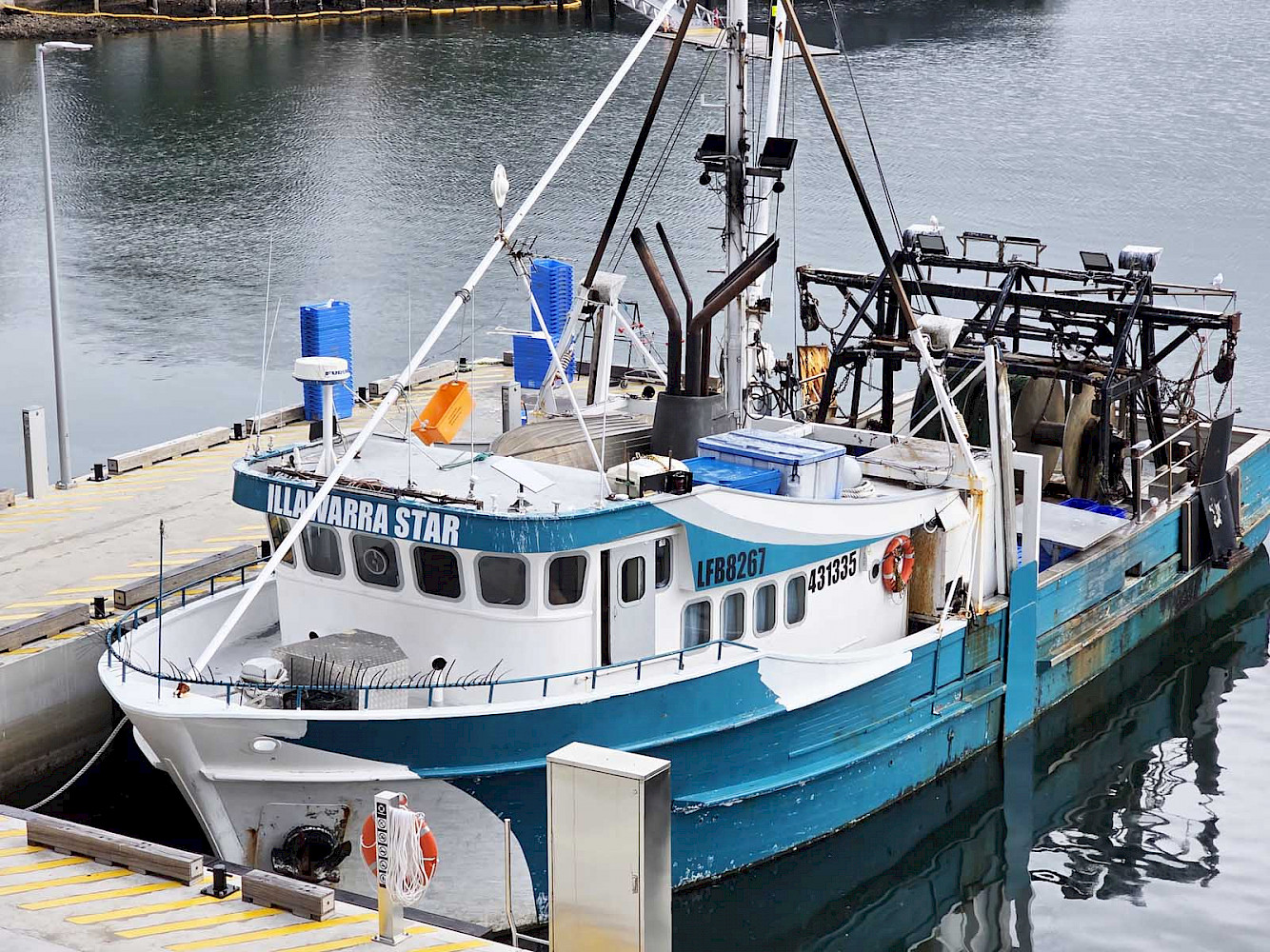
The building looks very grand, with huge staircases designed to accommodate thousands of shoppers. We were only able to photograph it after driving further away. The building has four levels: the bottom one has parking for 400 cars, and the second level from the bottom comes alive early in the morning when seafood auctions are held, where fishing boats bring in their catch. The third floor houses the main shops and restaurants, and the fourth floor, which still looks a bit deserted, is where renowned chefs hold seafood cooking classes. The old market closed at 4 PM, but the new one is open weekdays from 7 AM to 10 PM, and until midnight on Fridays and Saturdays. At least the restaurants are definitely open…
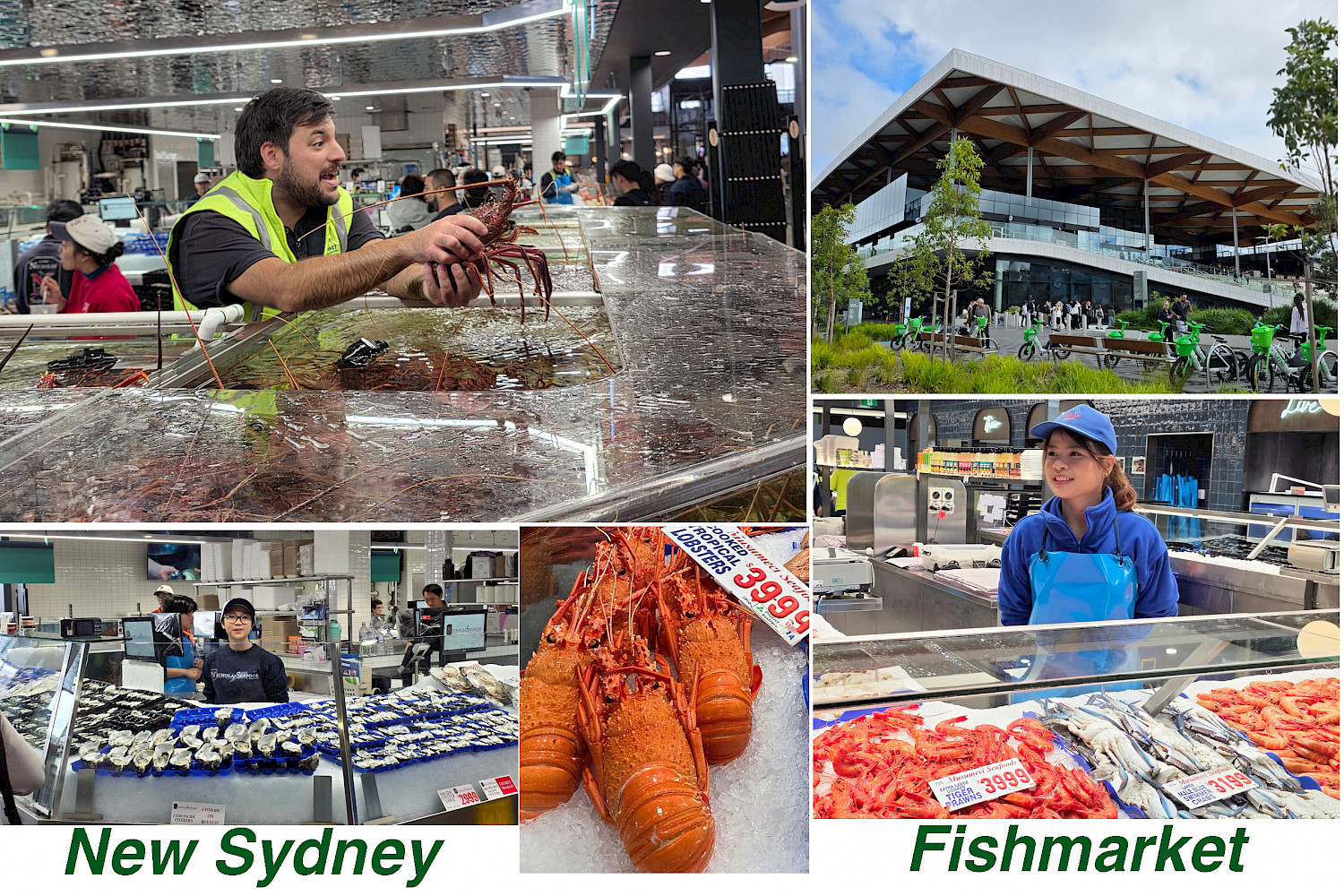
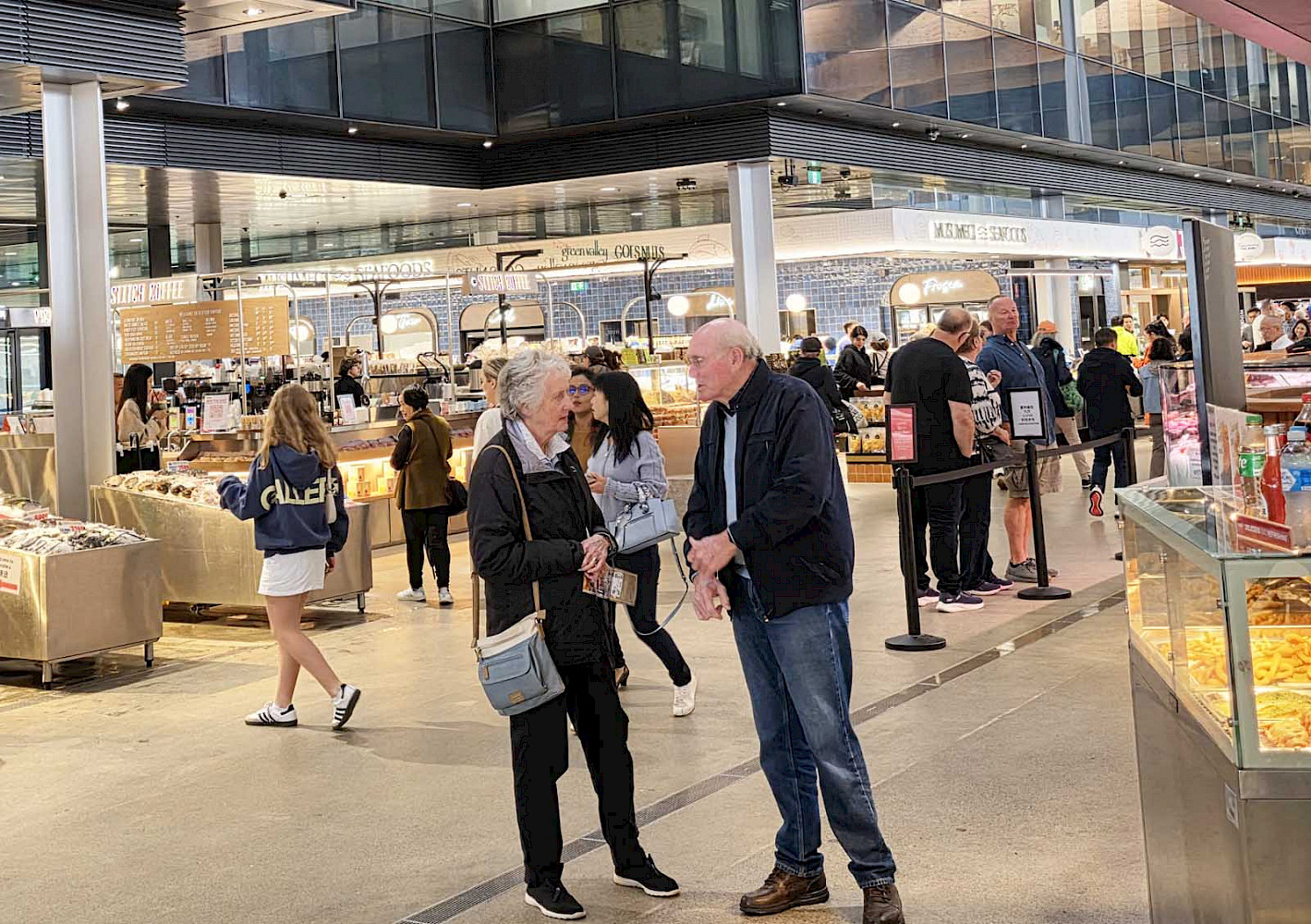
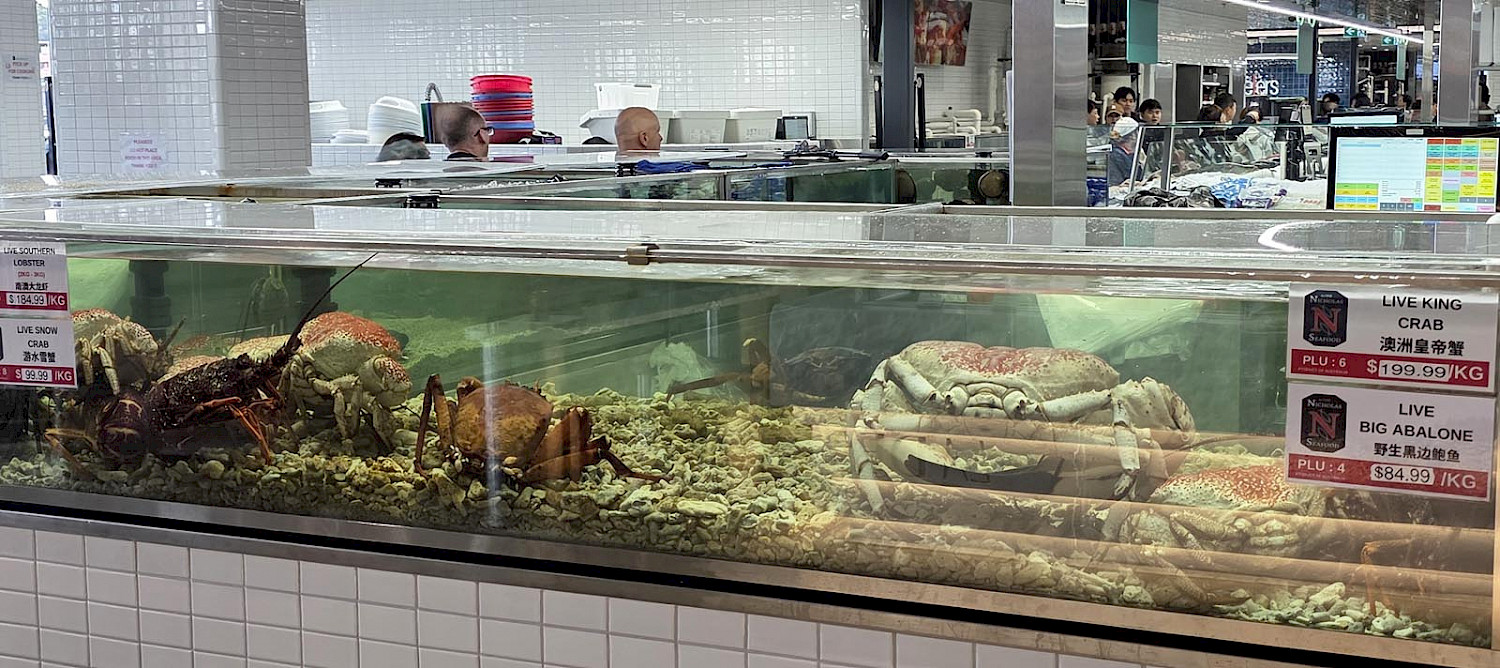
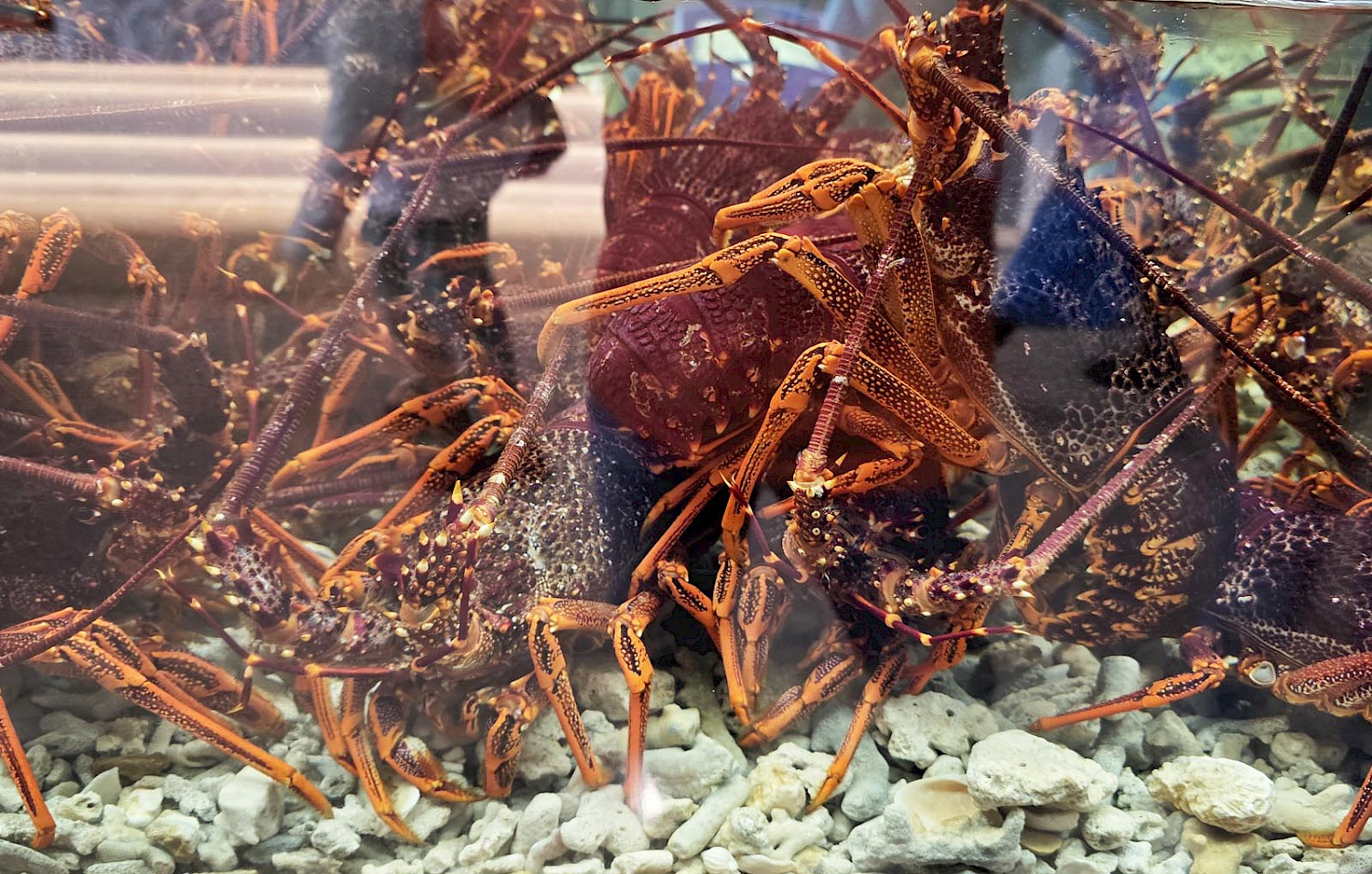
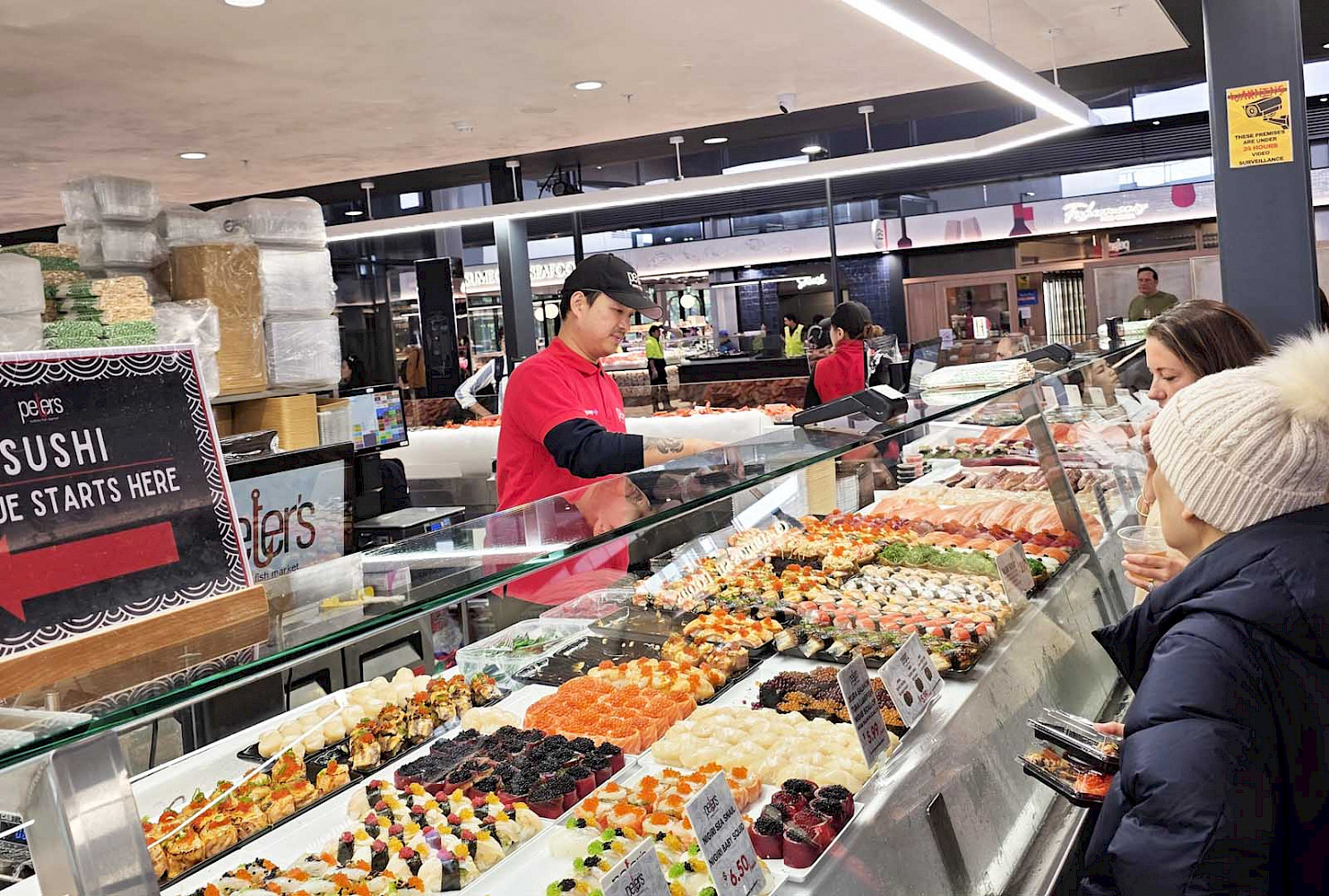
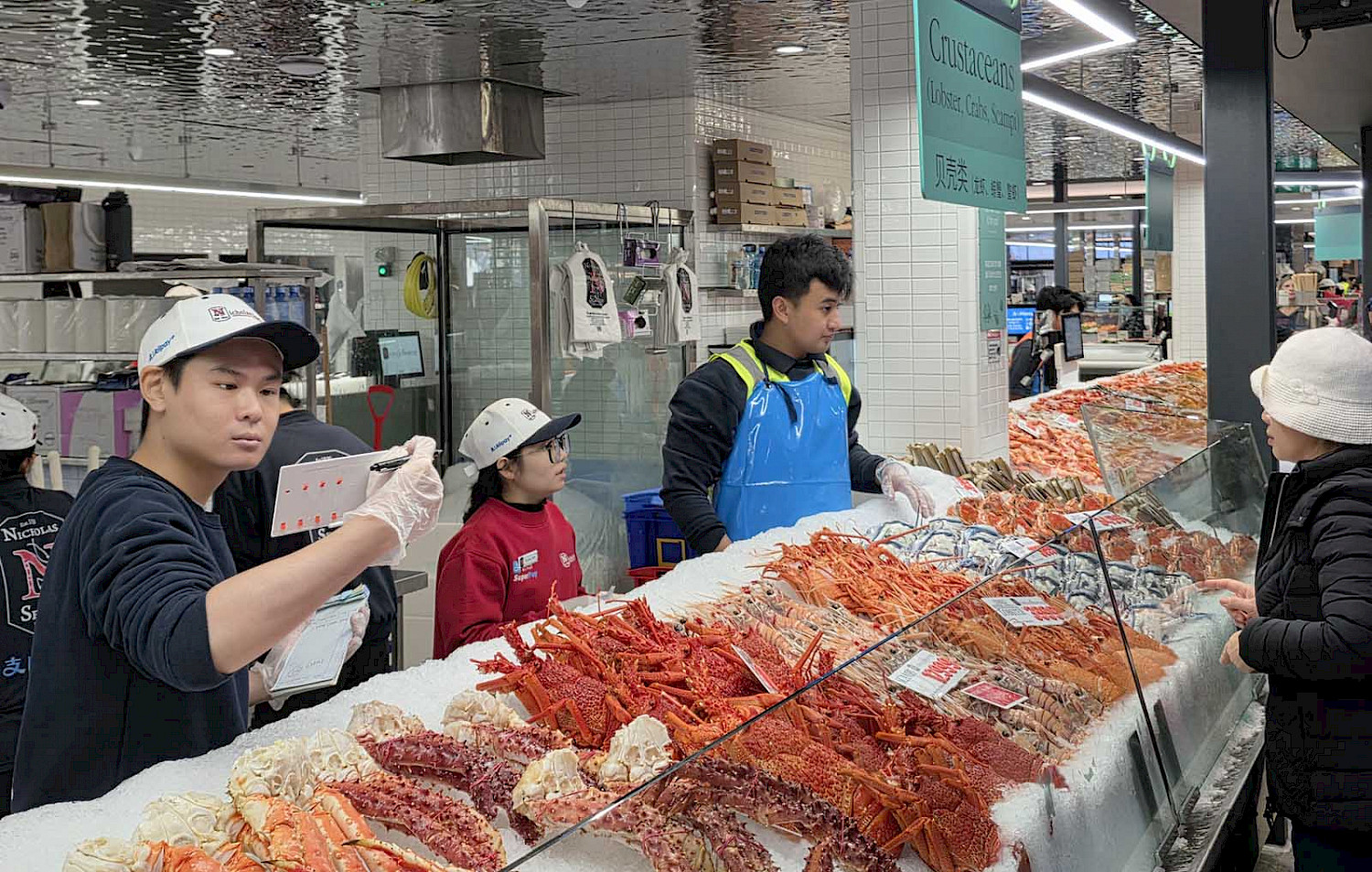
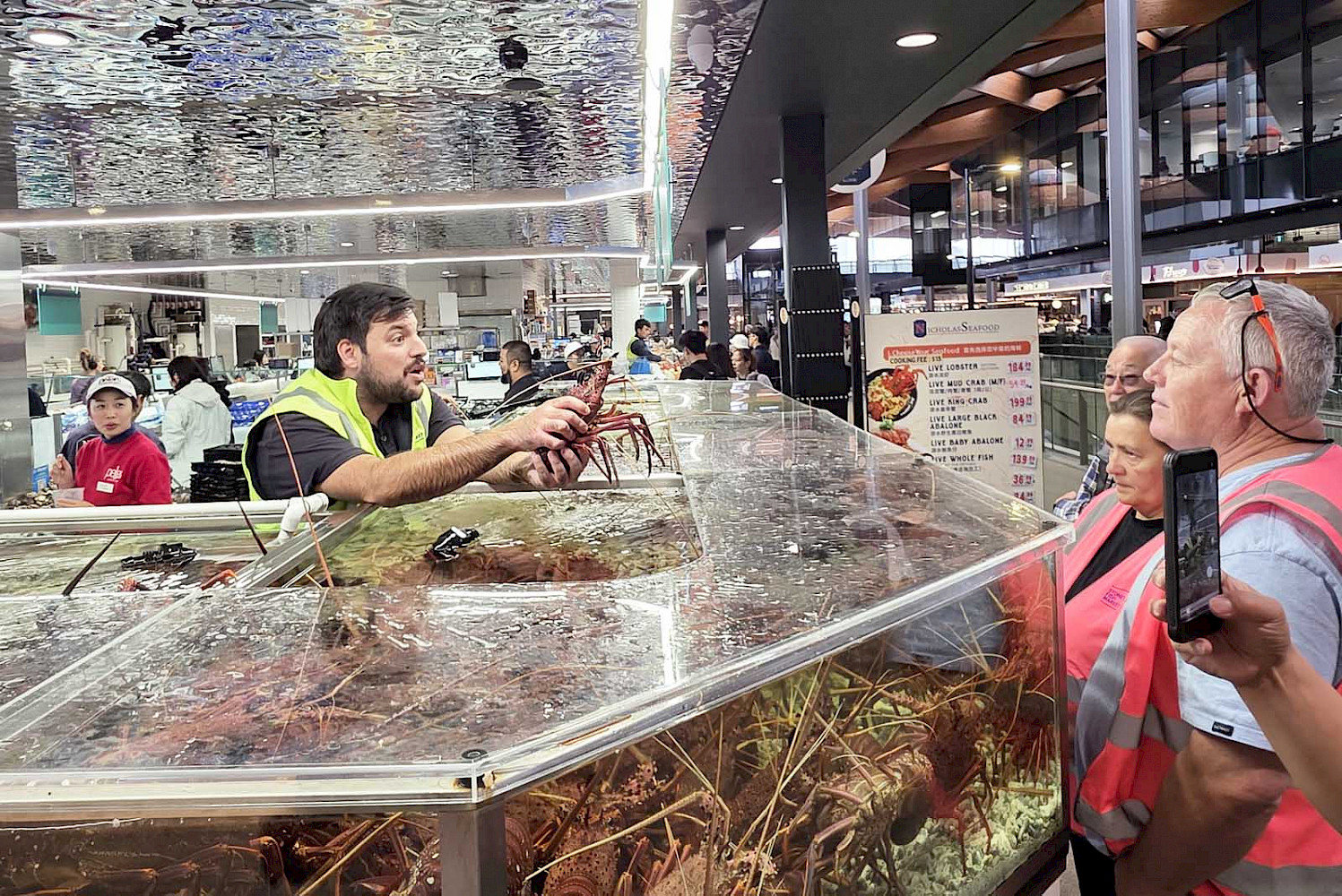
Nashe pervoye vpechatleniye – prostor i raznoobraziye magazinov i restoranov, ikh zdes' boleye 40 seychas, dumayu, chto so vremenem ikh budet yeshche bol'she, mesta vsem khvatayet. My nashli zdes' znakomyye po staromu rynku magaziny Claudio’s, Nicholas, Musumeci. Na prilavkakh lezhat tushi tuntsov, v akvariumakh pereplelis' kleshnyami desyatki krasnykh lobsterov, ustritsy samogo raznoobraznogo razmera i sortov, ot malen'kikh, no naiboleye vkusnykh, Sydney rock, do boleye krupnykh tikhookeanskikh i prosto ogromnykh, kotoryye prodayut ne na dyuzhiny, a po 6 shtuk ili poshtuchno. Rabotniki spetsial'nymi nozhami s korotkim lezviyem raskryvayut ustritsy pryamo pered toboy. Vstretili my i nemalo novykh torgovykh mest, i ne tol'ko s ryboproduktami. Yest' zdes' i vinnyy magazin, i mesta, gde prodayut vkusnyy kofe i konditerskiye izdeliya. Nemalo stolikov vozle prilavkov, gde prodayut gotovuyu yedu. Pokazalos', chto nemnogo ne khvatayet takikh mest, vspominalis' dlinnyye ryady stolikov pod zontikami ot solntsa na starom rynke, no, nadeyus', novyy rynok budet yeshche uluchshat'sya i podstraivat'sya pod pokupateley, a ikh zdes' nemalo. Avtobusy privozyat turistov na rynok kak na odnu iz dostoprimechatel'nostey goroda. My kupili ogromnuyu svezhayshuyu rybinu atlanticheskogo lososya pochti kilogramma ($30 za kg), sdelali fotografii, snyali video i ulozhilis' v odin chas. Put' na novyy rynok razvedan, on ne razocharoval, poetomu v blizhayshiye nedeli poyedem ocherednoy raz, mozhet byt' na avtobuse, kotoryy khodit iz nashego rayona. Togda ne budem speshit', a ostanemsya podol'she v odnom iz mnogochislennykh restoranchikov etogo samogo bol'shogo v Yuzhnom polusharii rybnogo rynka. Tem boleye, chto v dobavok k vkusnym moreproduktam nas zhdet krasivyy vid na zaliv i tsentral'nyy Sidney. Vladimir KUZ'MIN
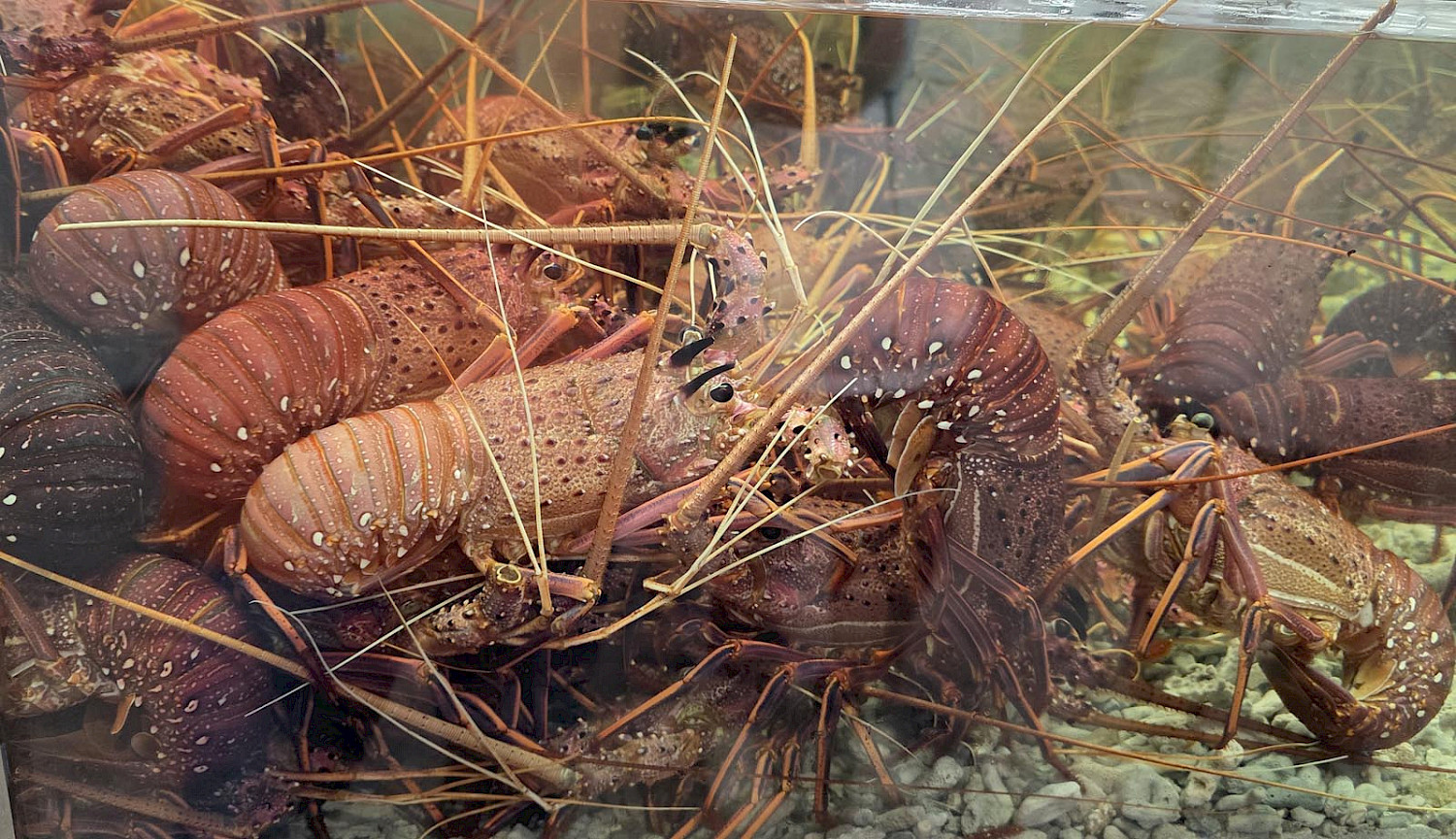
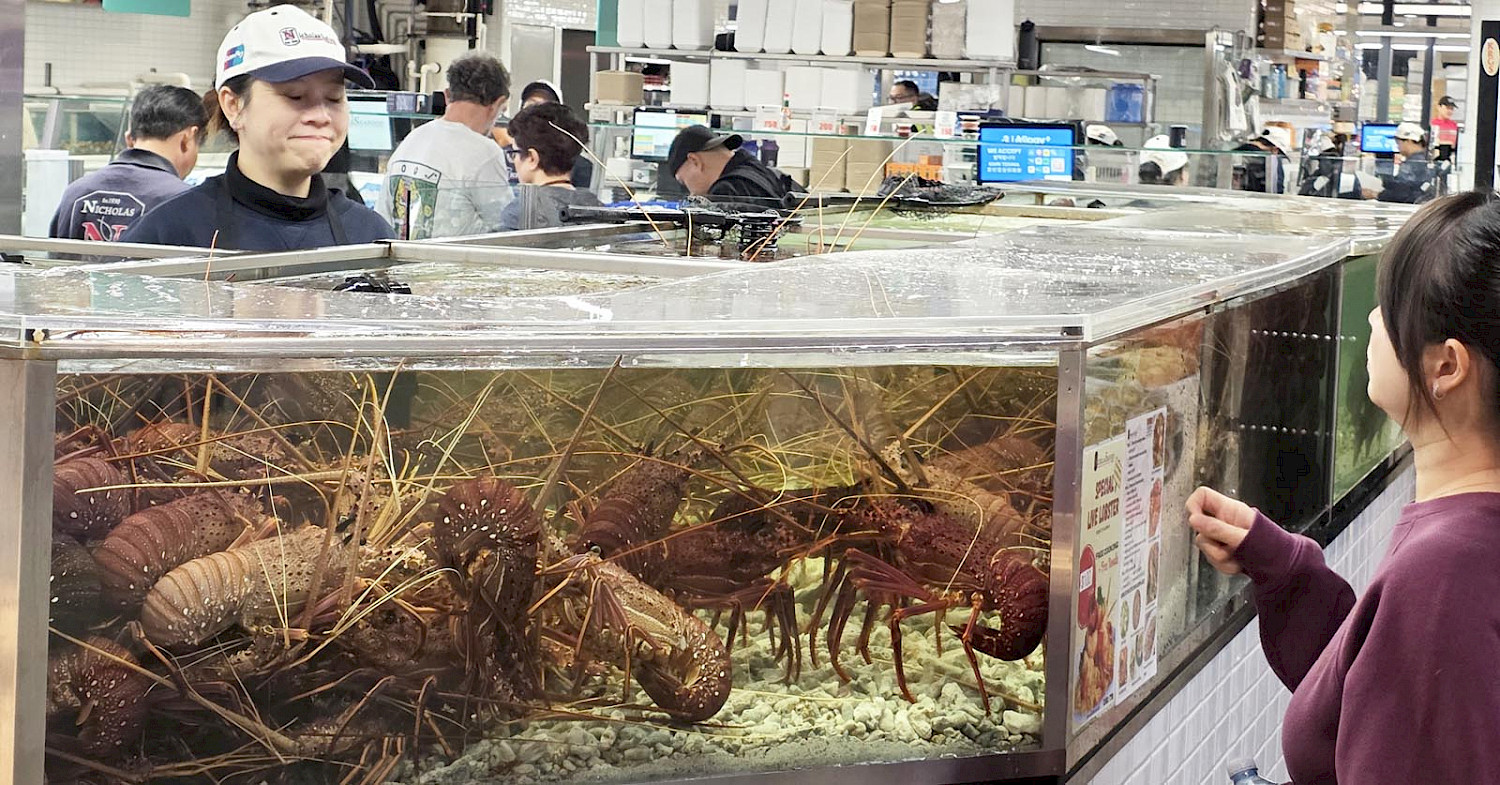
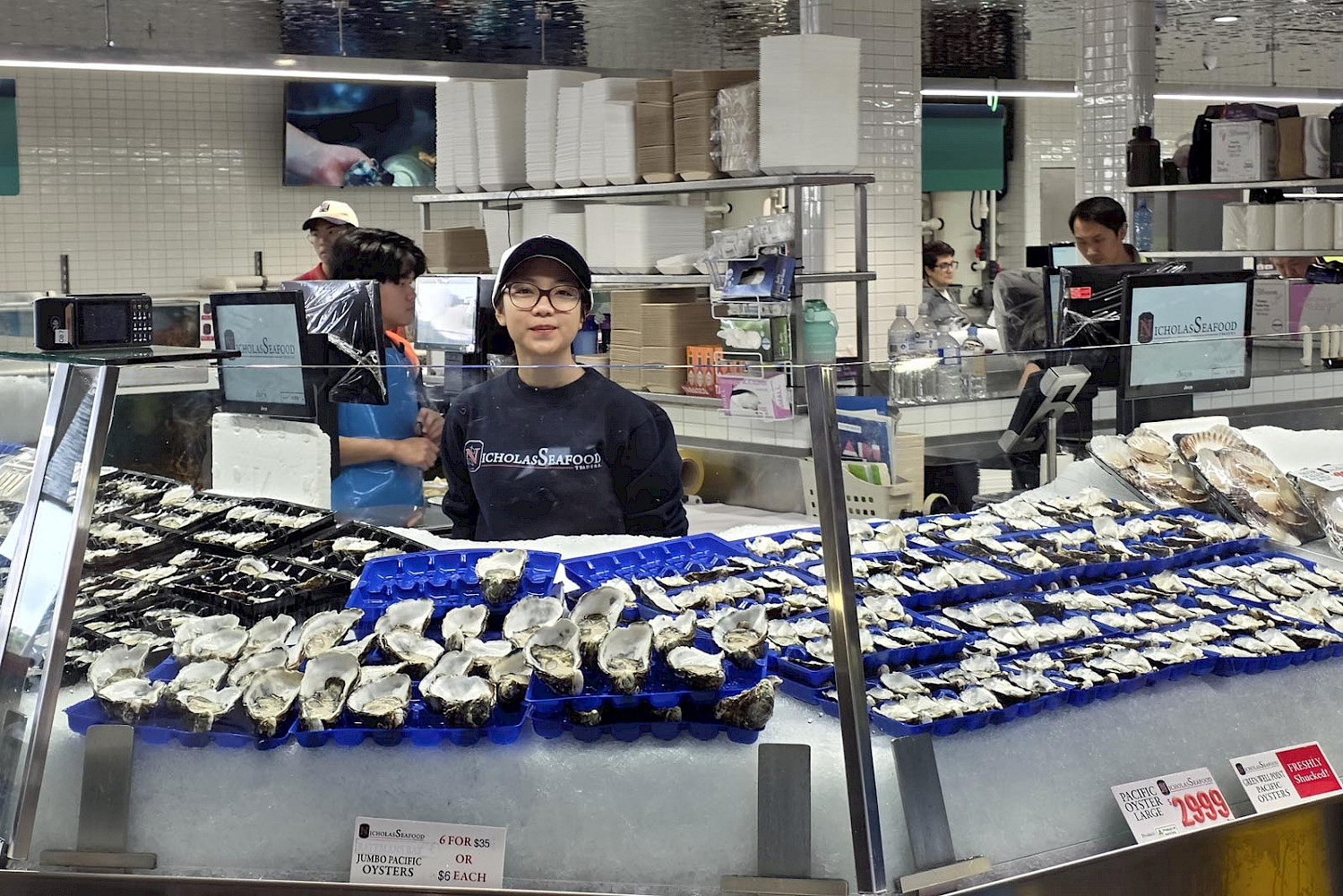
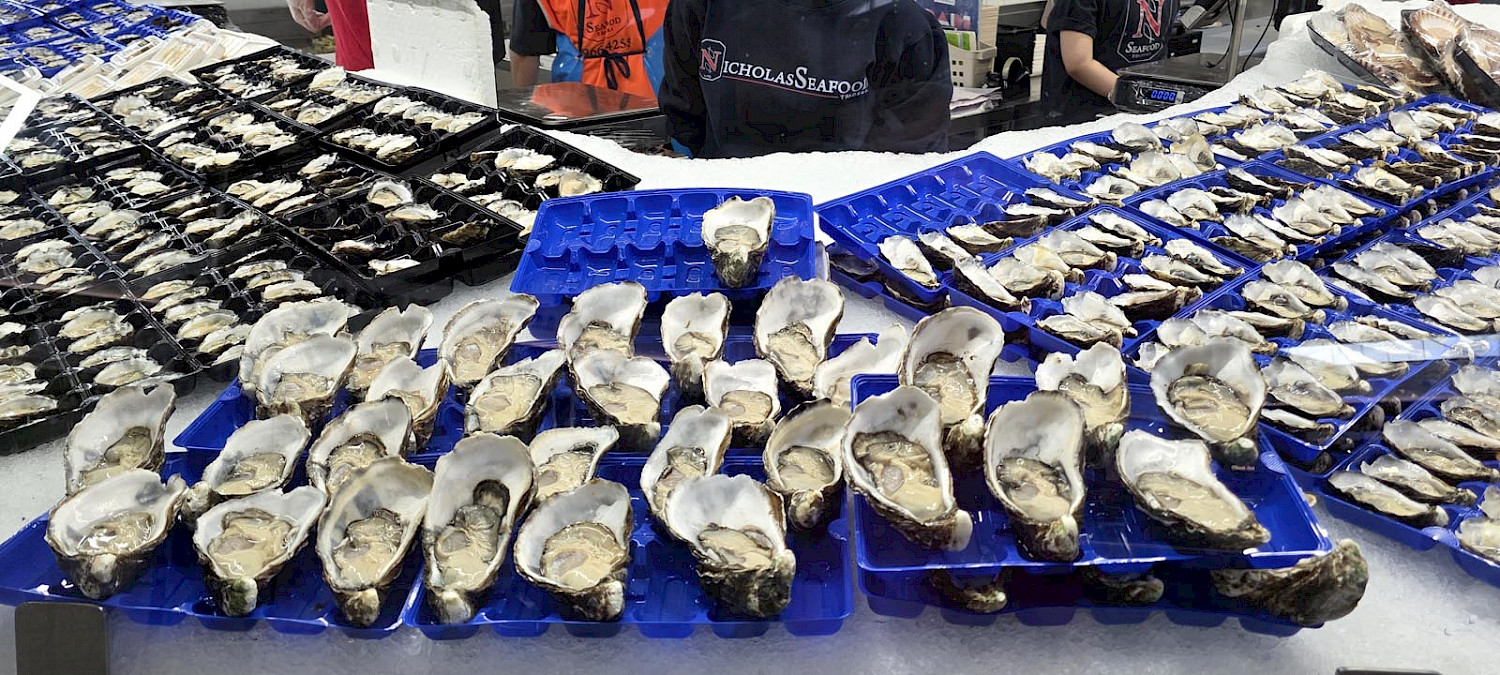
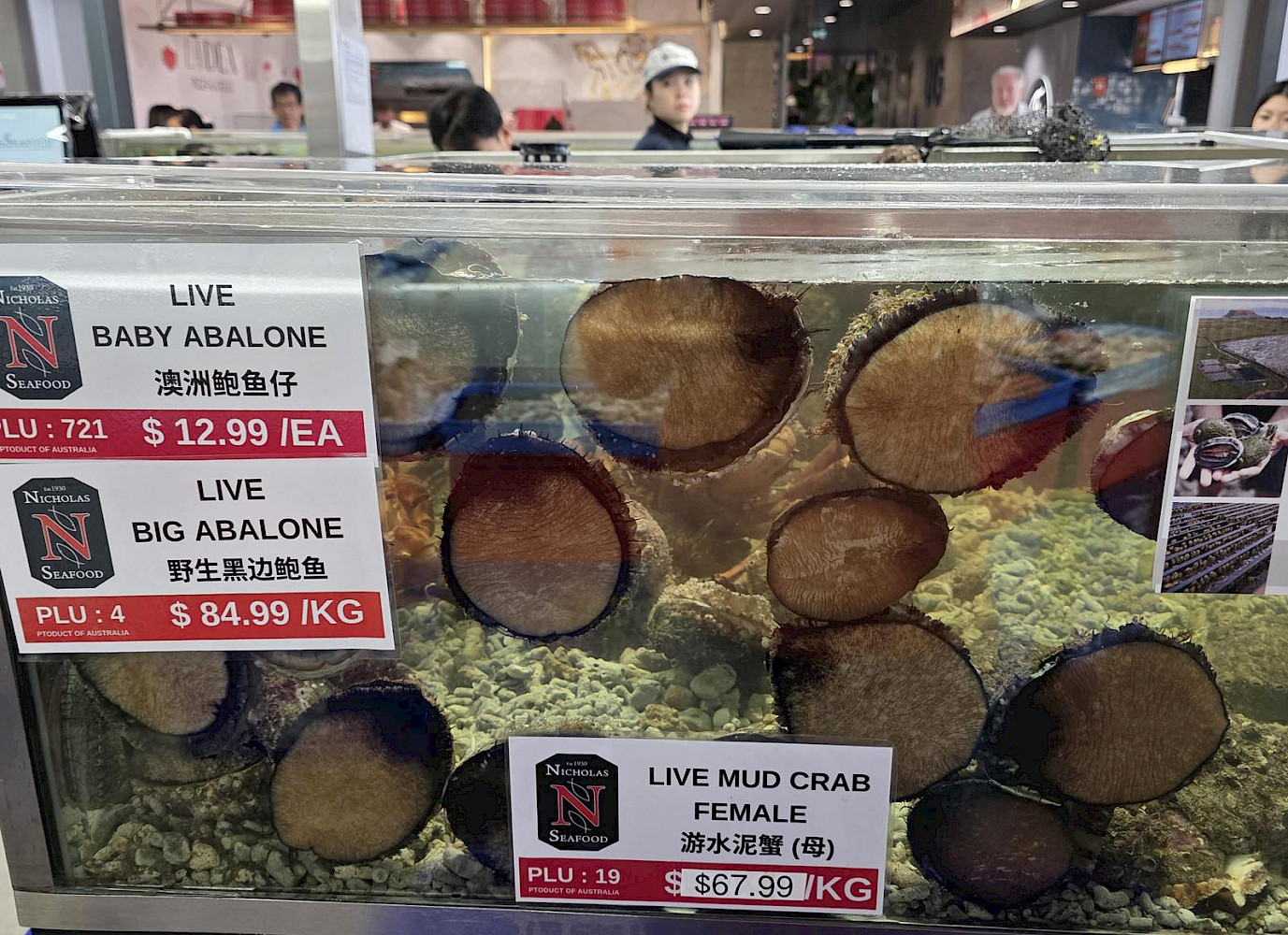
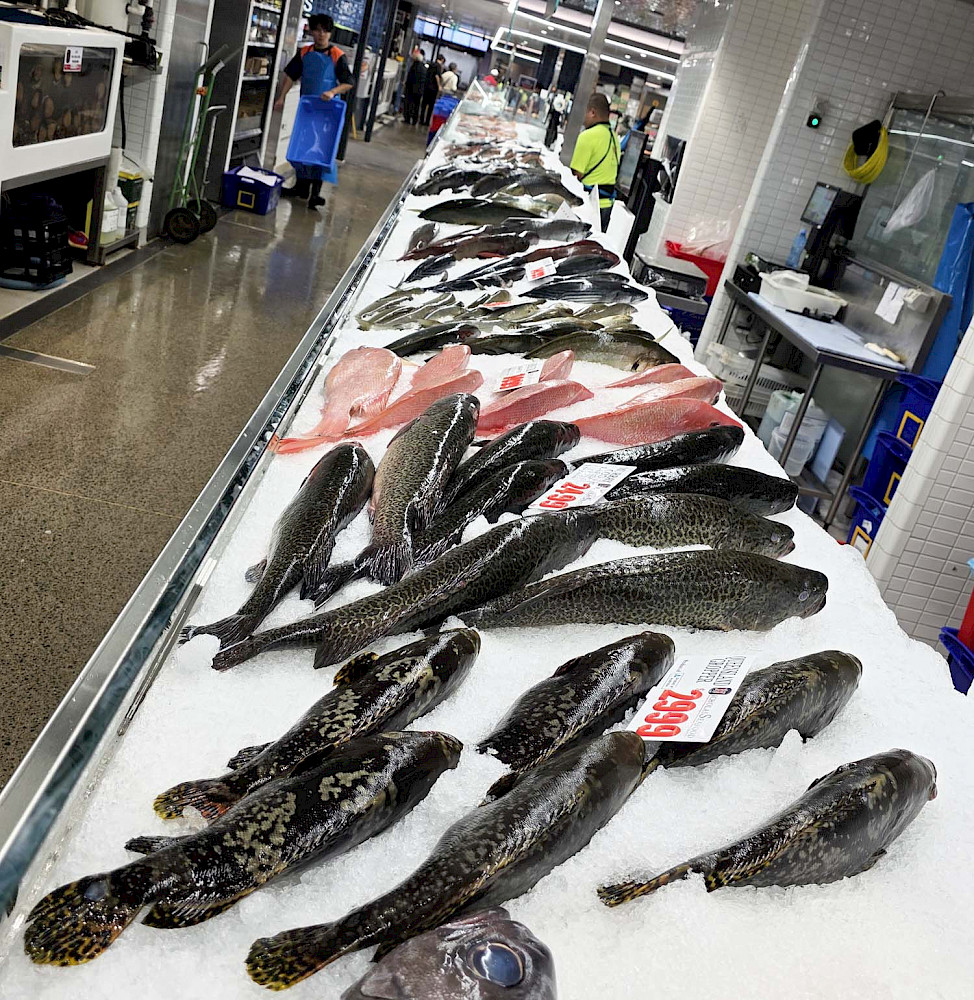
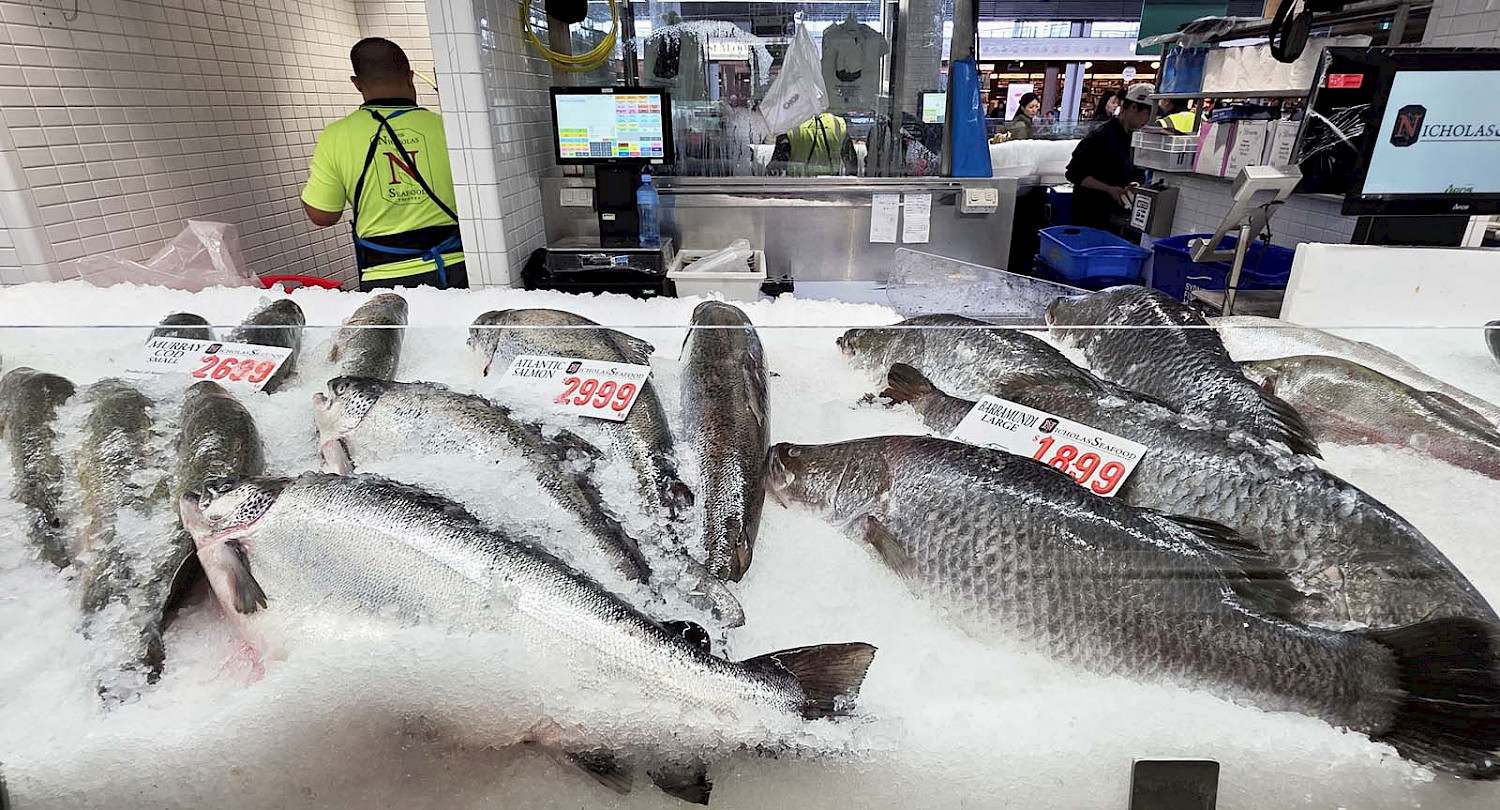
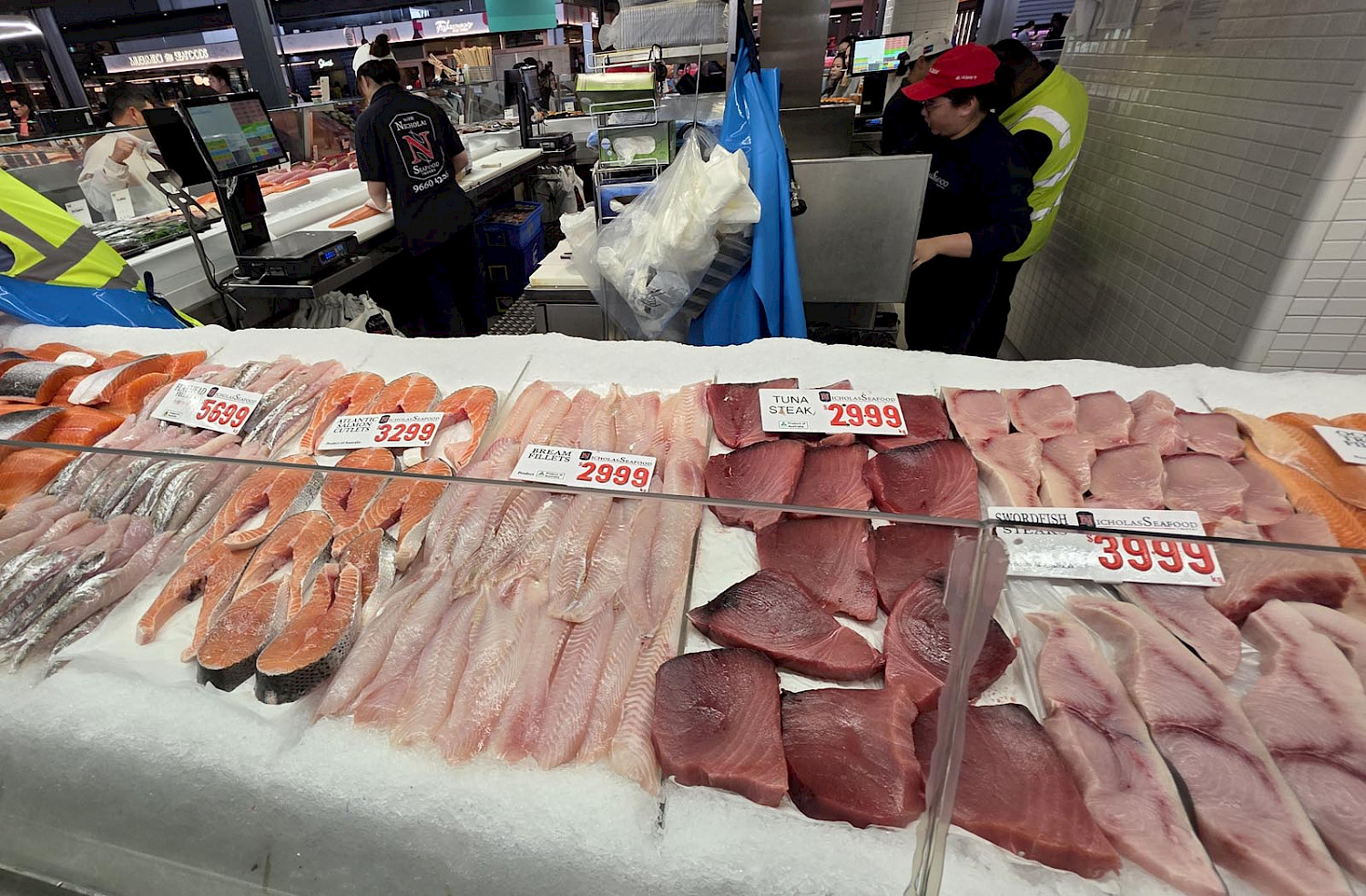
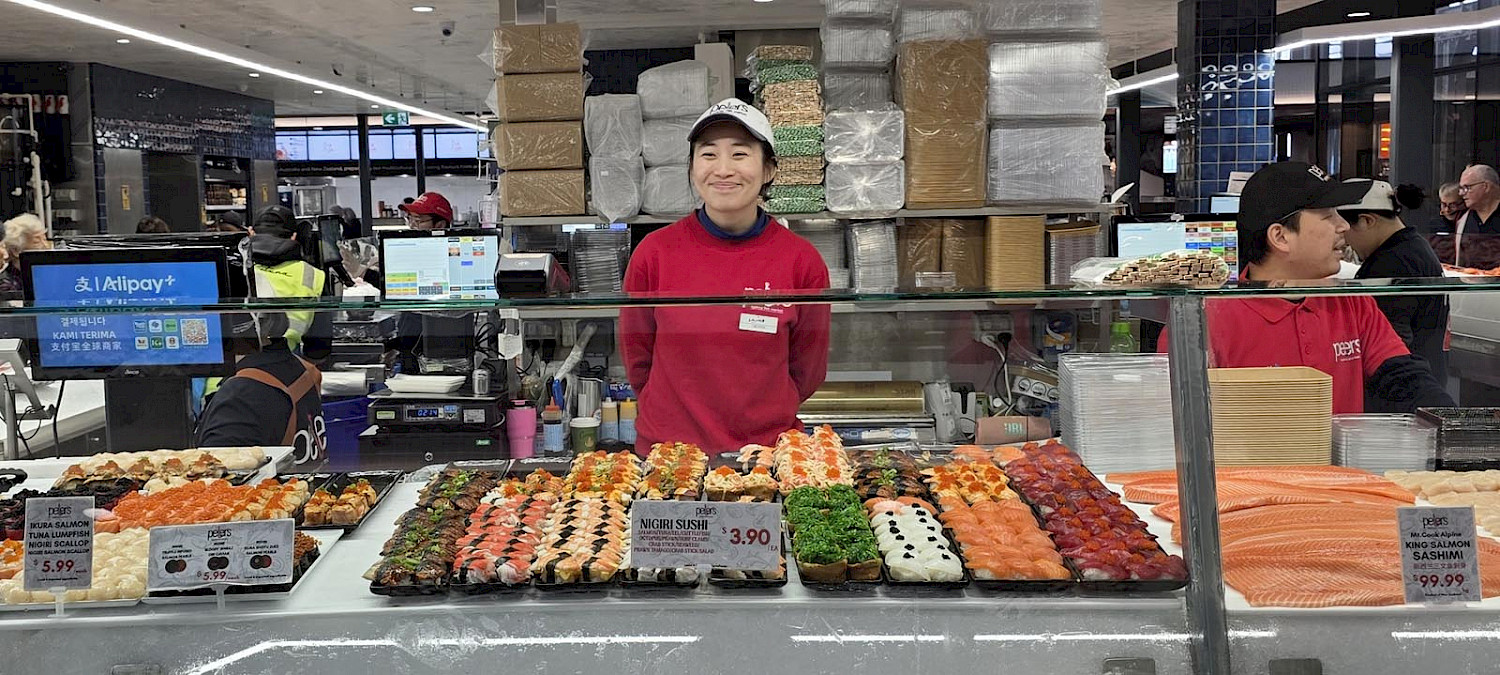
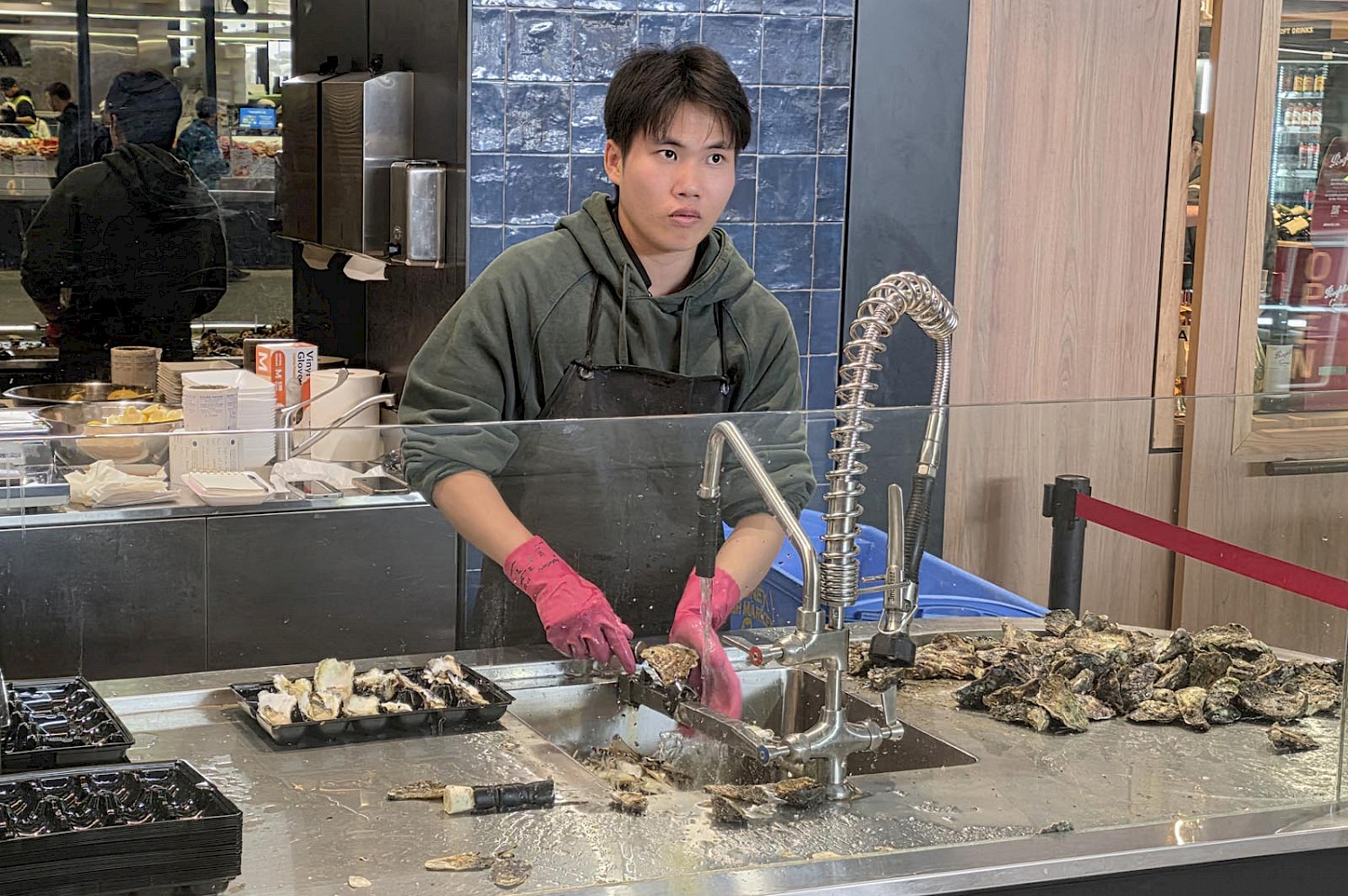
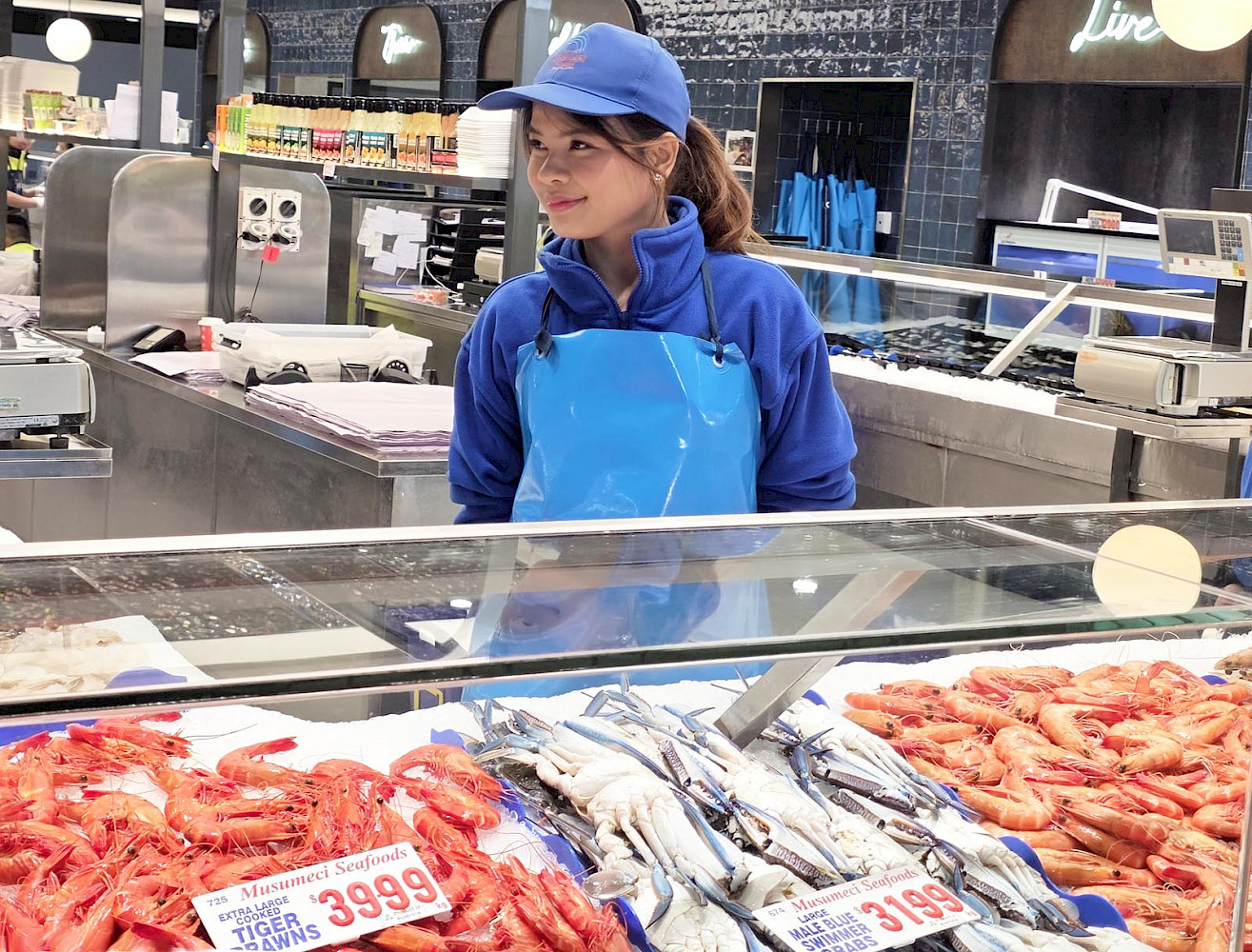
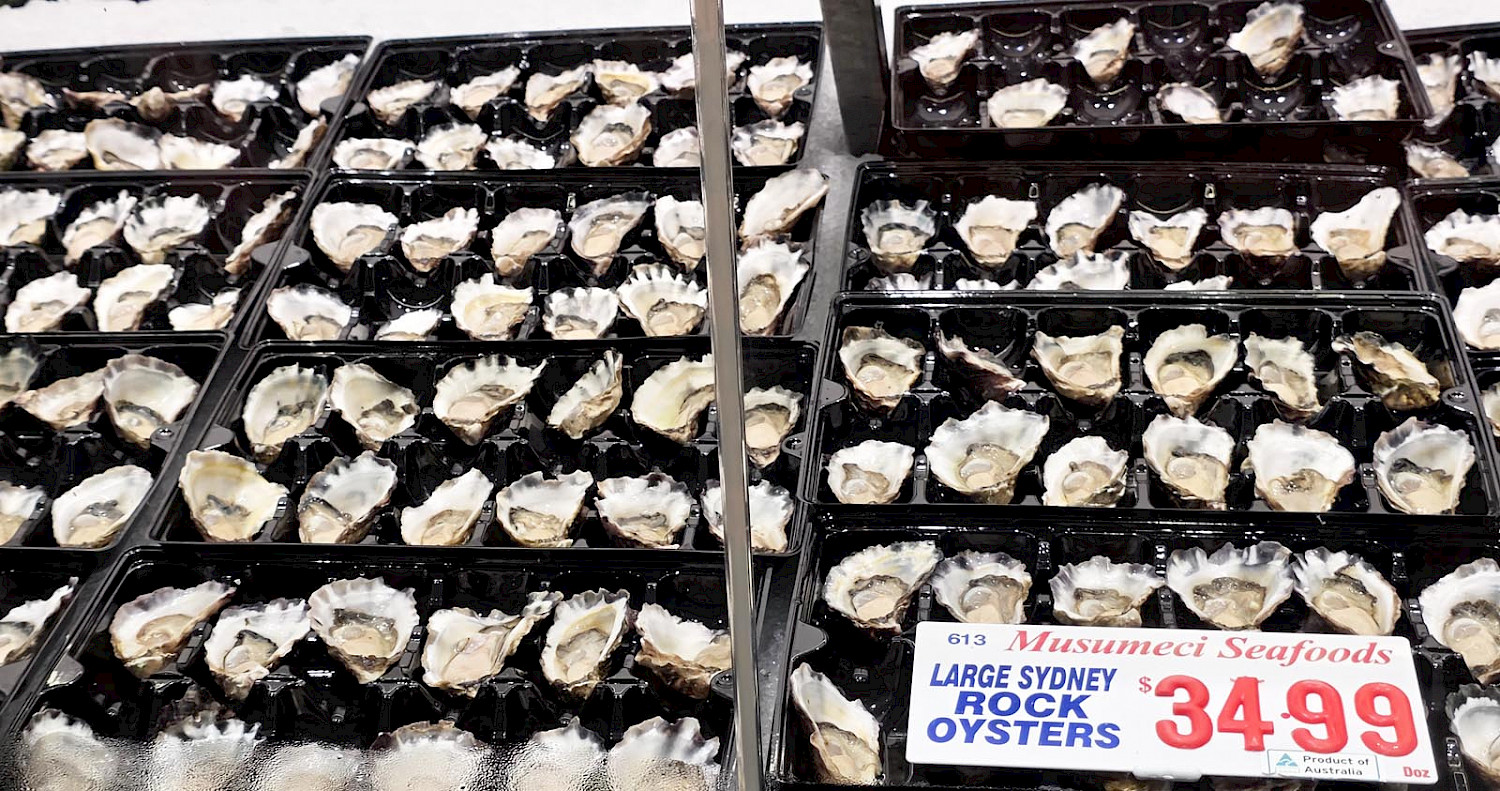
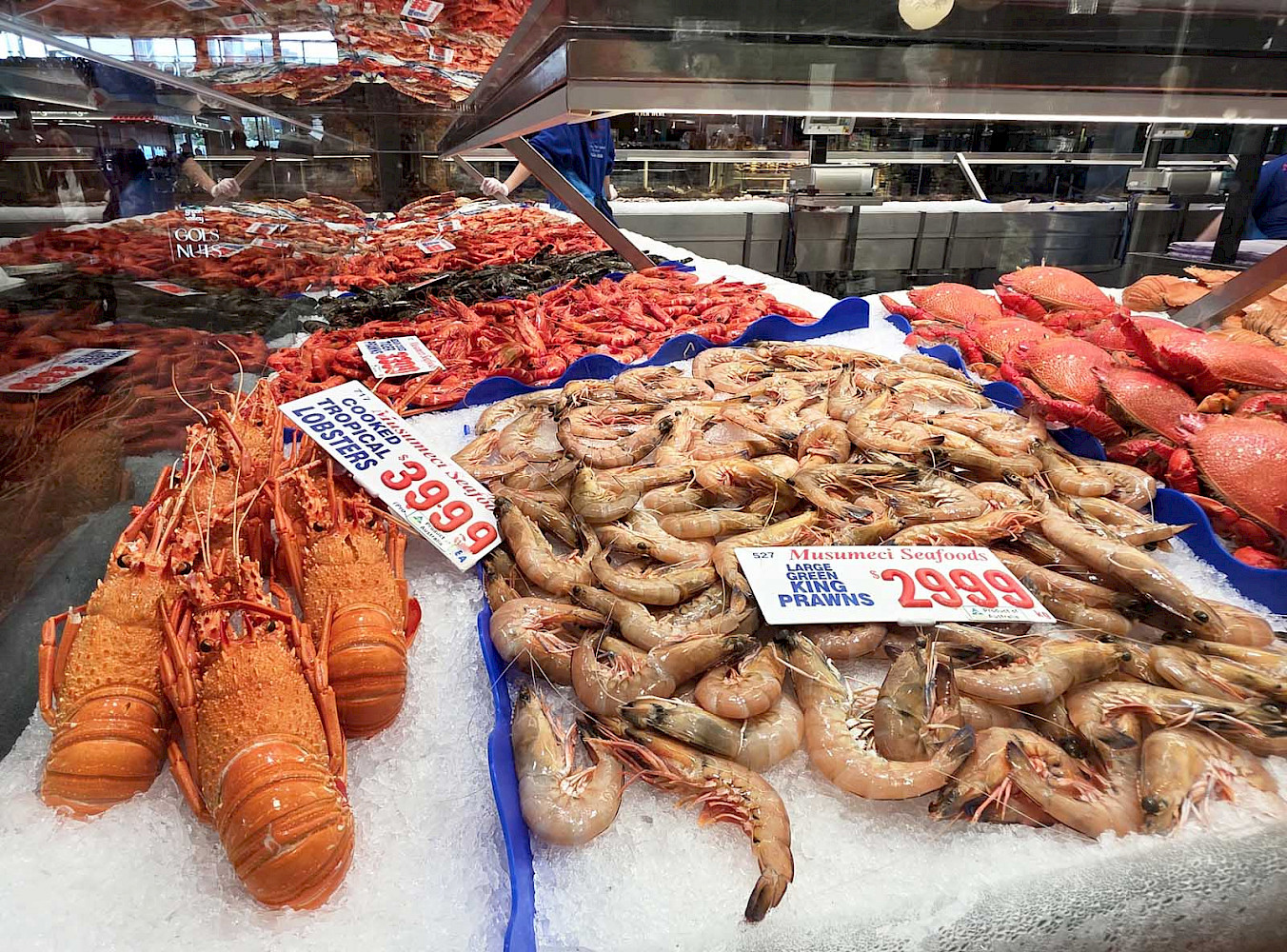
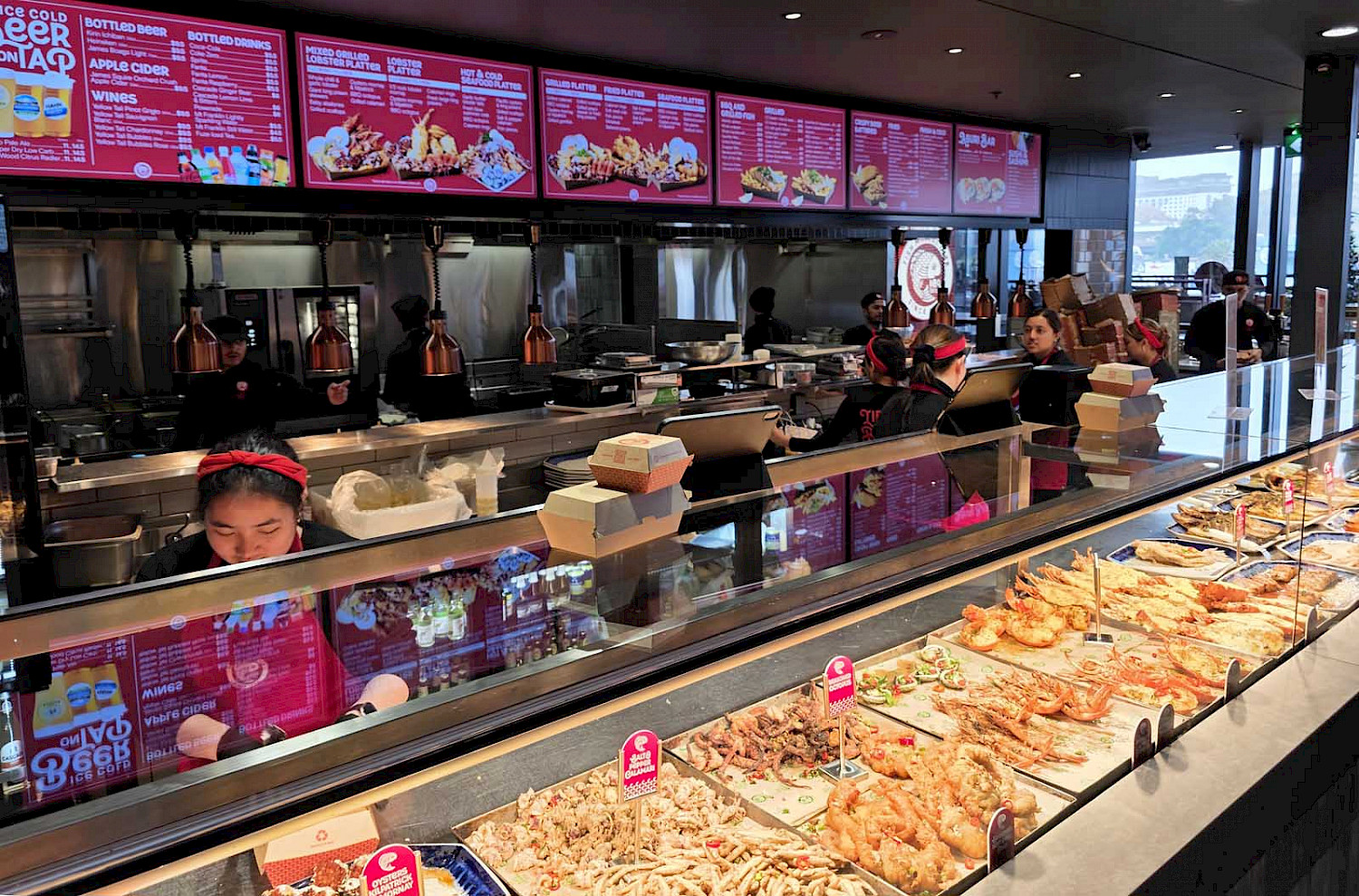
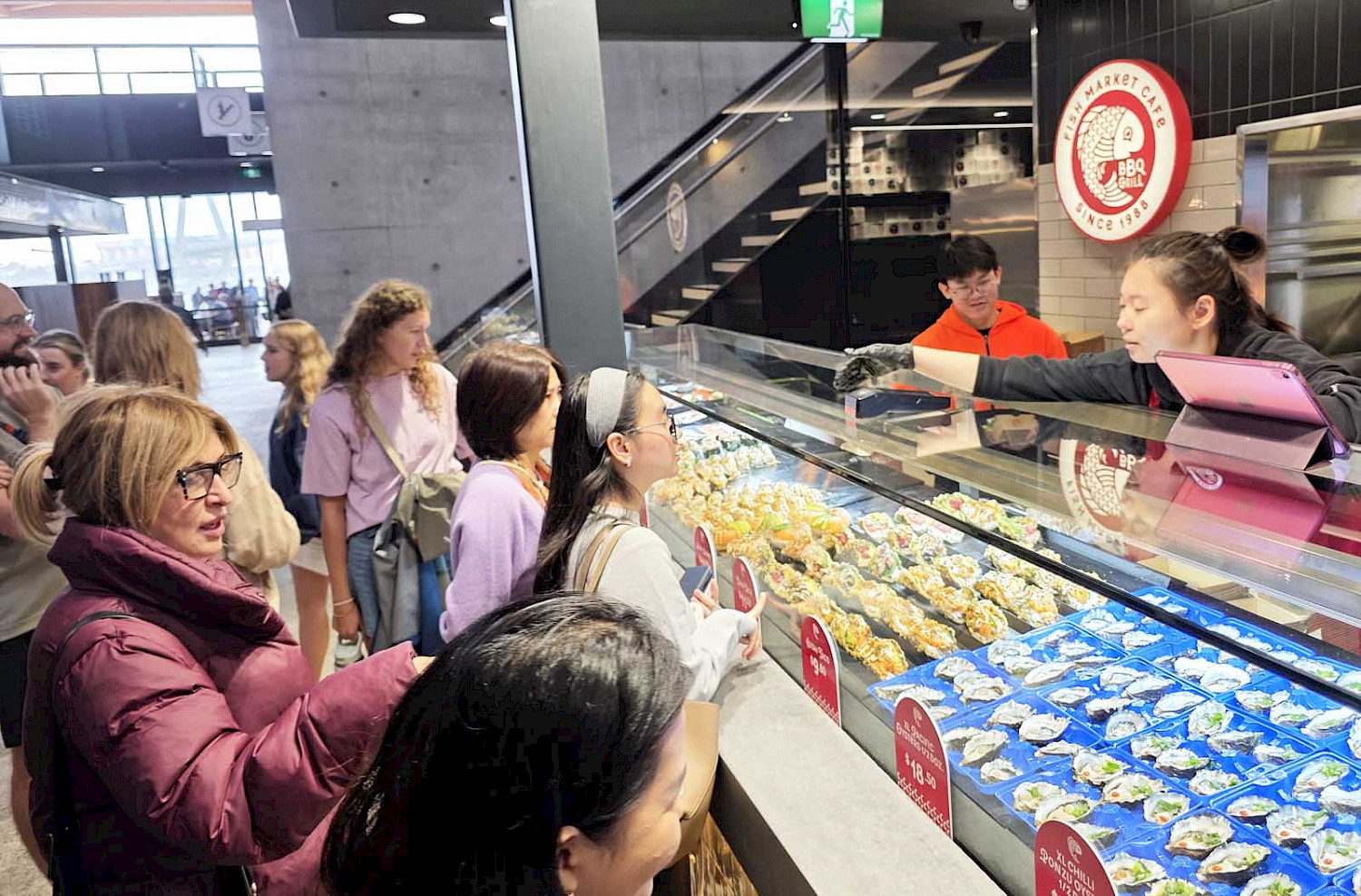
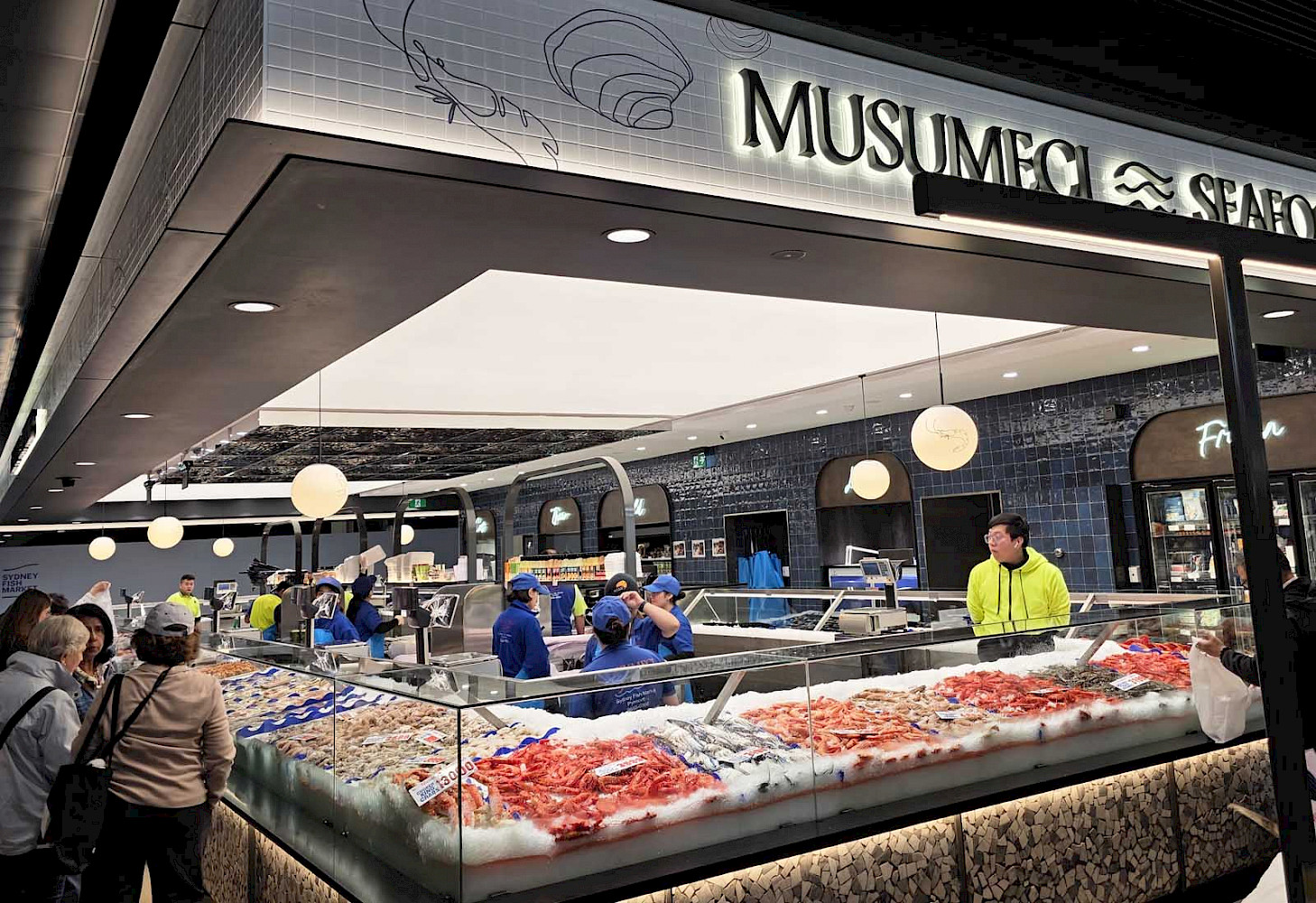
Our first impression was the spaciousness and variety of shops and restaurants. There are over 40 of them here now, and I think there will be even more over time; there's plenty of room for everyone. We found shops familiar from the old market: Claudio's, Nicholas, and Musumeci. Tuna carcasses line the counters, dozens of red lobsters tangle like claws in aquariums, and oysters of all sizes and varieties, from the small but delicious Sydney rock oysters to larger Pacific oysters and simply enormous ones, sold not by the dozen but by the six or individually. Workers use special short-bladed knives to shuck oysters right in front of you. We also encountered quite a few new shops, and not just selling seafood. There's also a wine shop and places selling delicious coffee and pastries. There are also plenty of tables near the counters selling prepared food. I felt like there weren't enough places like this; I remembered the long rows of tables under umbrellas at the old market, but I hope the new market will continue to improve and adapt to its customers, of which there are many. Buses bring tourists to the market as one of the city's attractions. We bought a huge, fresh Atlantic salmon, almost a 4 kilogram ($30 per kilo), took photos, filmed a video, and finished the visit in an hour. We've explored the route to the new market, and it didn't disappoint, so we'll be making another trip in the coming weeks, perhaps on the bus that runs from our area. Then we'll take our time and linger longer in one of the many restaurants at this largest fish market in the Southern Hemisphere. Especially since, in addition to the delicious seafood, we'll enjoy a beautiful view of the bay and central Sydney.
Vladimir KOUZMIN